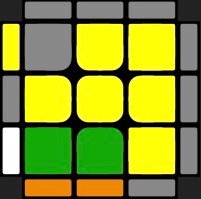
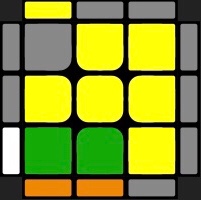
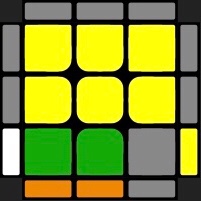
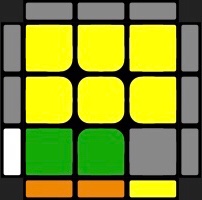
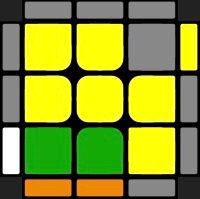
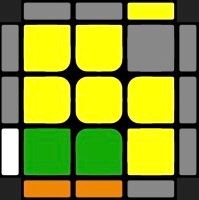
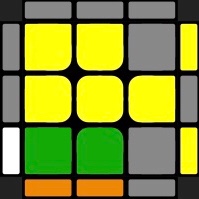
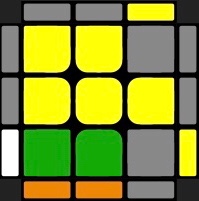
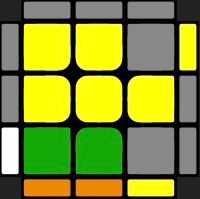
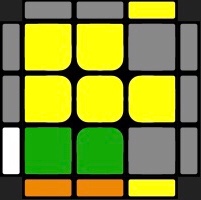
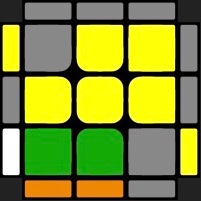
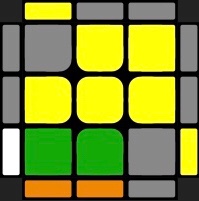
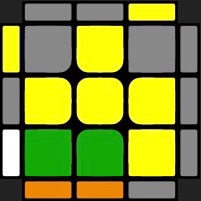
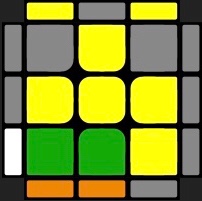
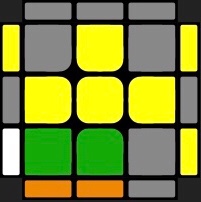
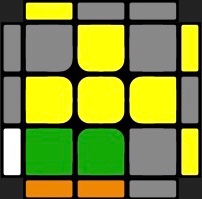
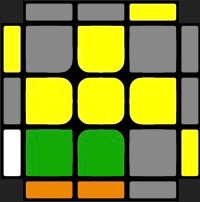
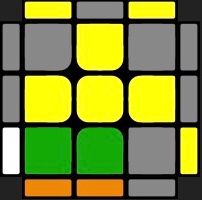
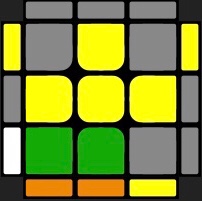
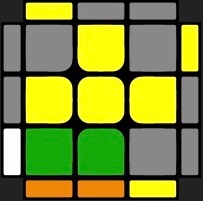
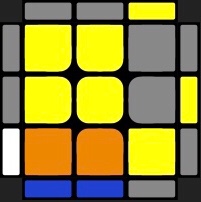
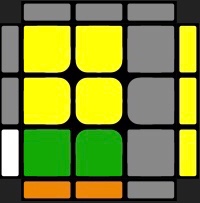
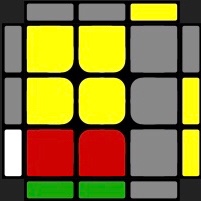
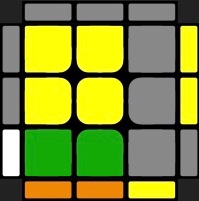
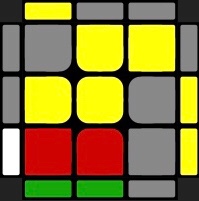
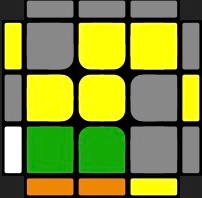
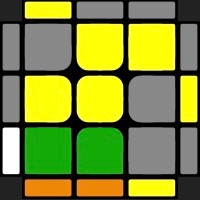
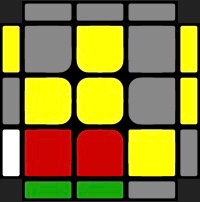
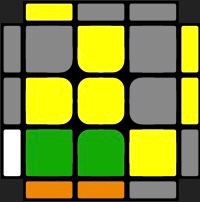
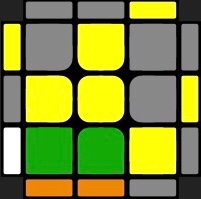
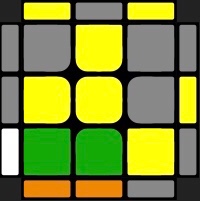
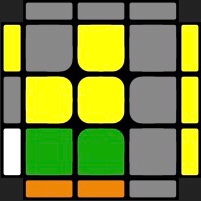
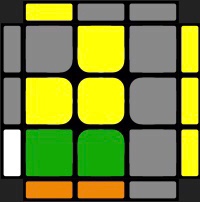
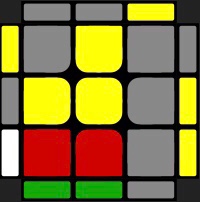
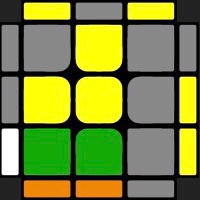
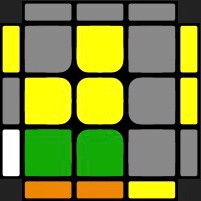
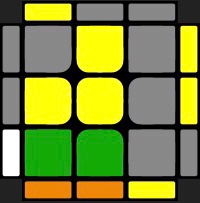
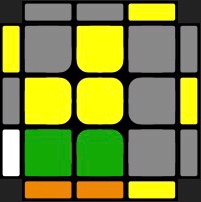
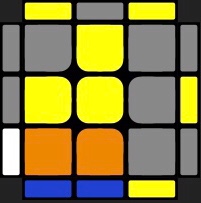
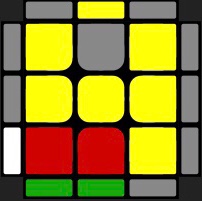
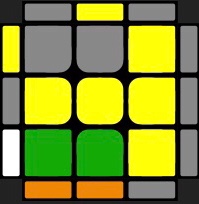
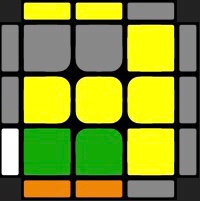
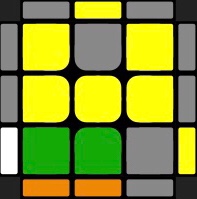
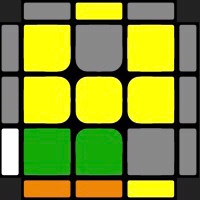
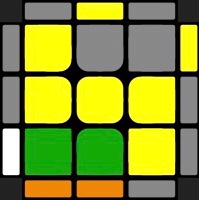
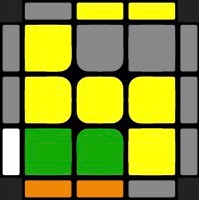
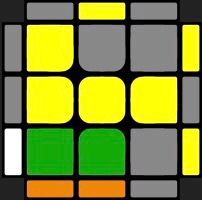
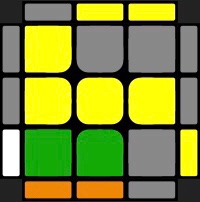
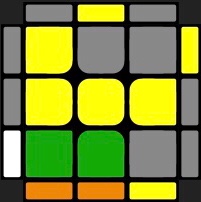
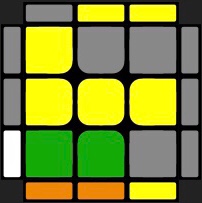
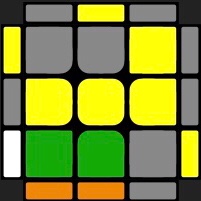
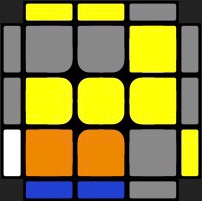
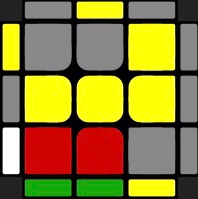
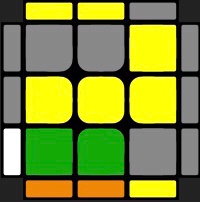
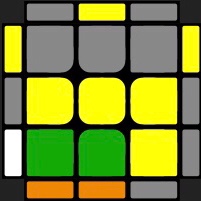
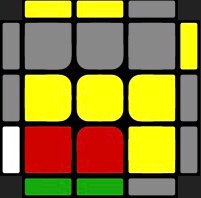
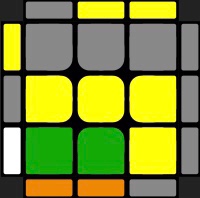
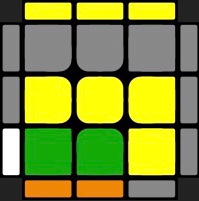
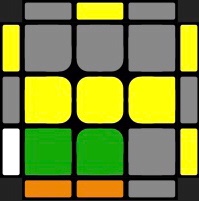
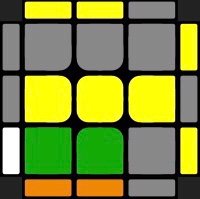
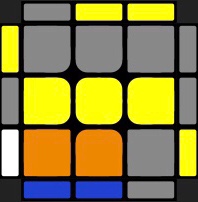
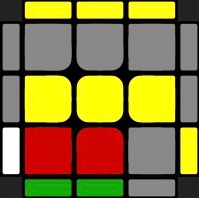
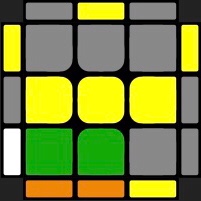
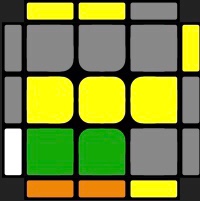
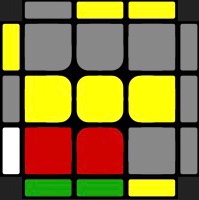
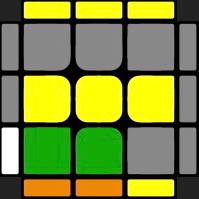
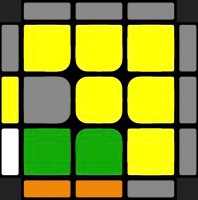
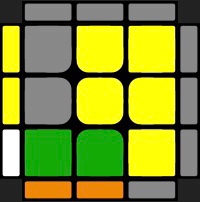
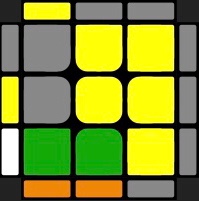
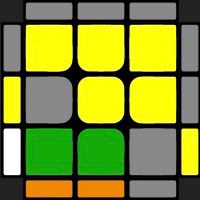
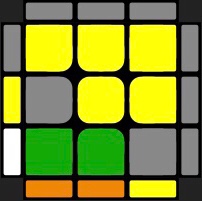
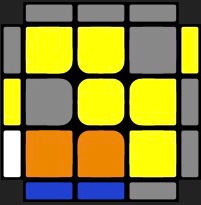
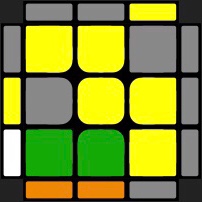
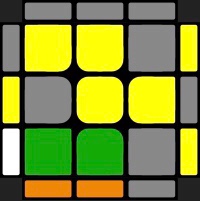
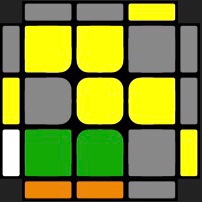
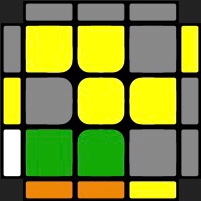
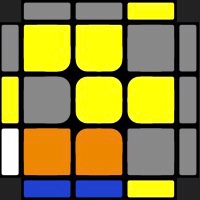
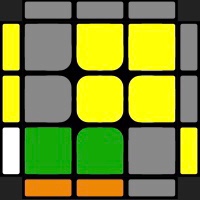
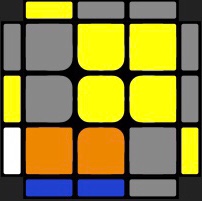
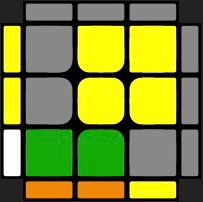
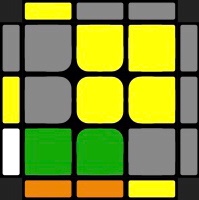
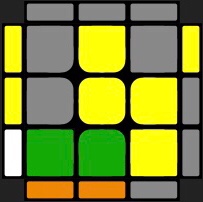
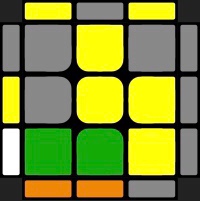
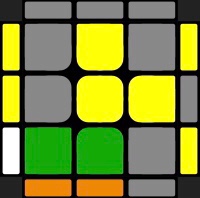
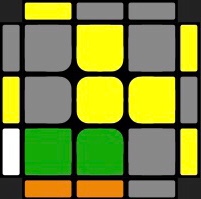
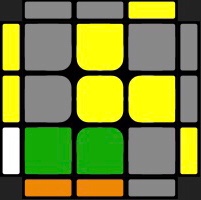
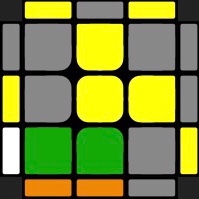
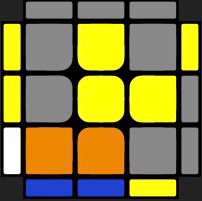
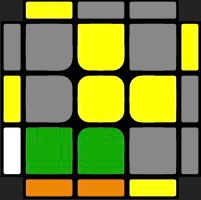
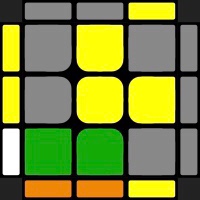
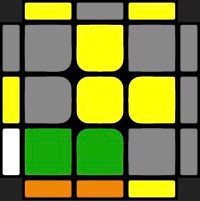
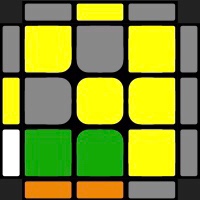
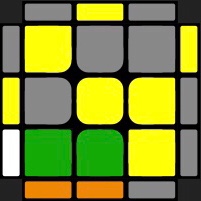
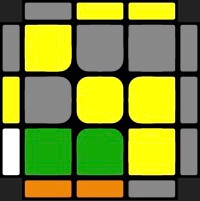
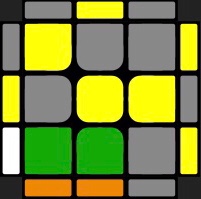
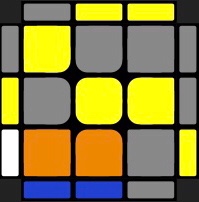
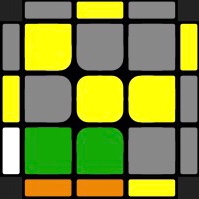
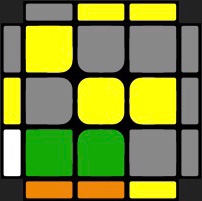
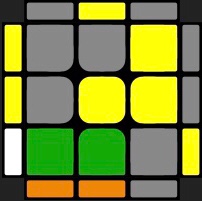
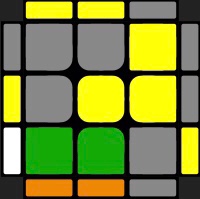
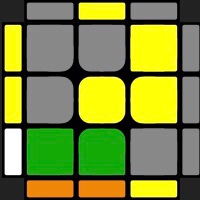
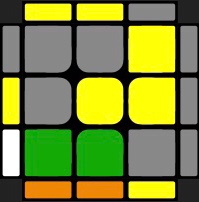
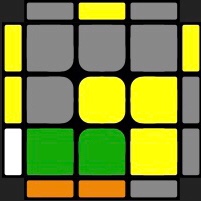
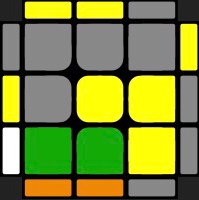
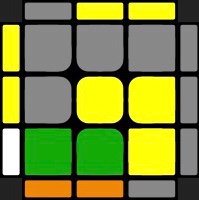
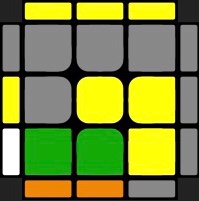
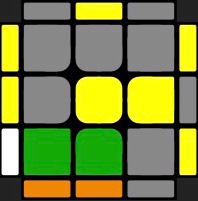
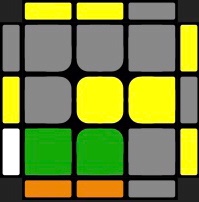
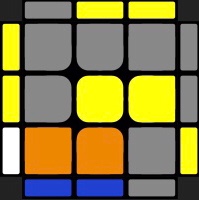
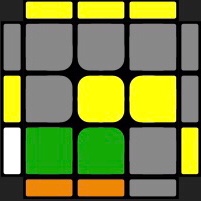
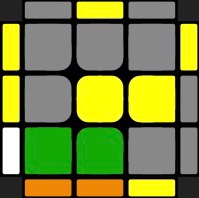
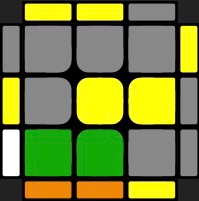
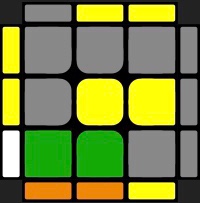
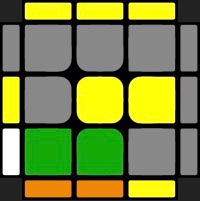
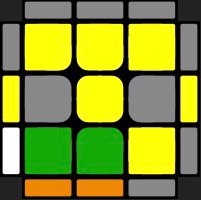
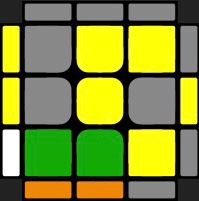
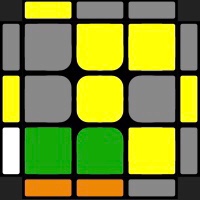
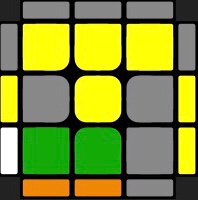
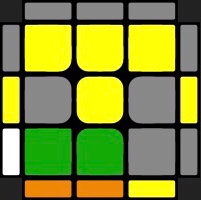
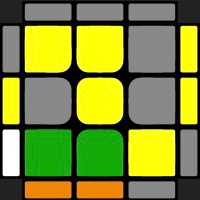
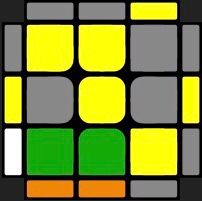
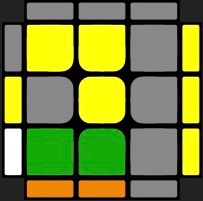
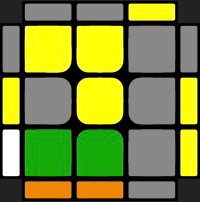
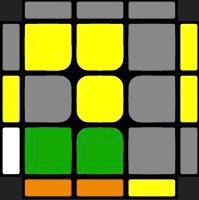
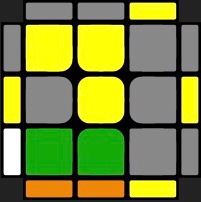
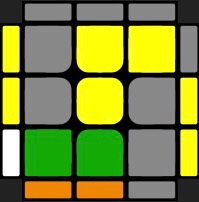
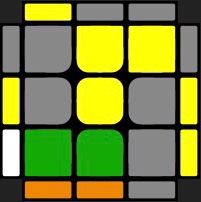
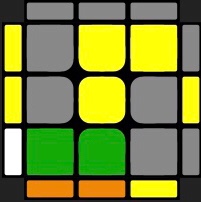
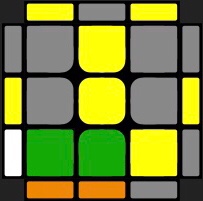
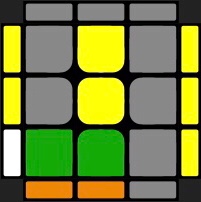
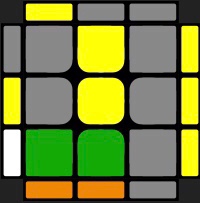
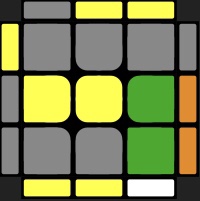
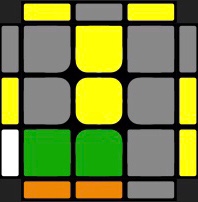
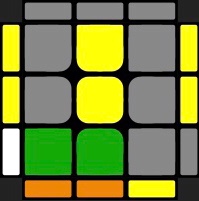
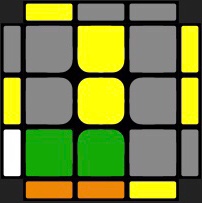
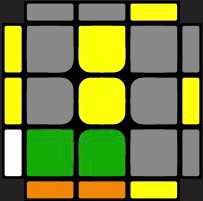
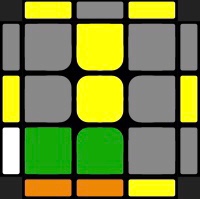
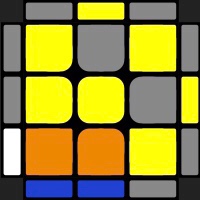
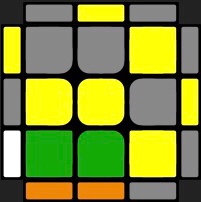
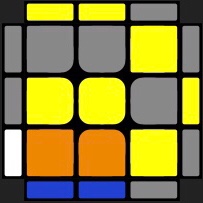
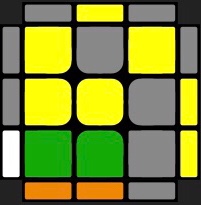
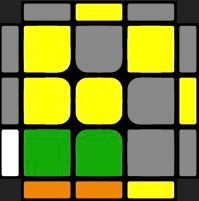
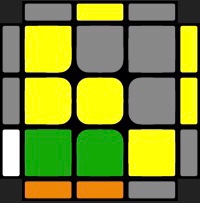
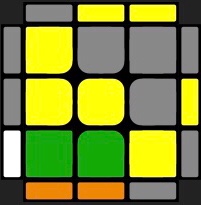
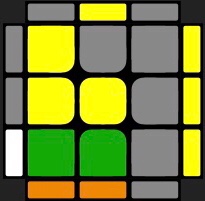
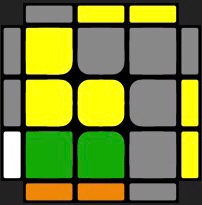
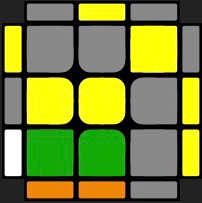
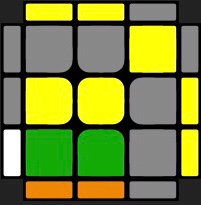
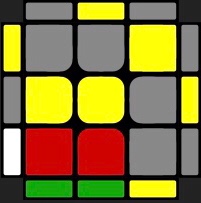
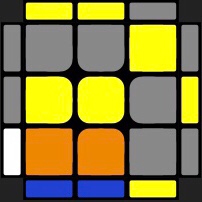
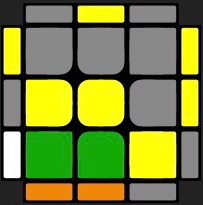
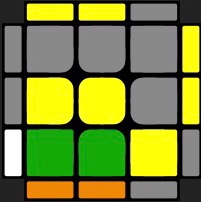
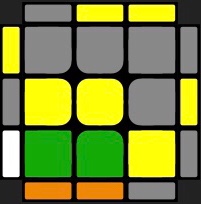
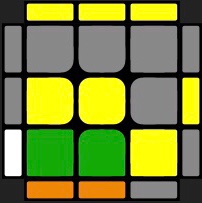
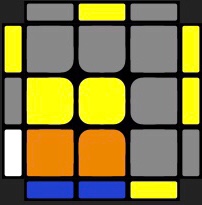
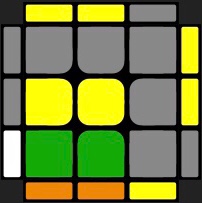
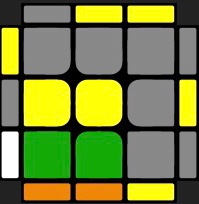
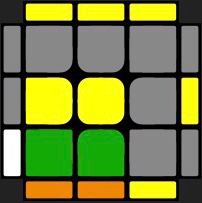
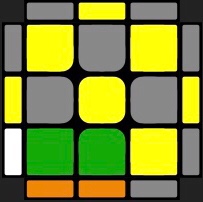
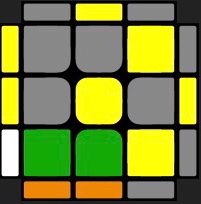
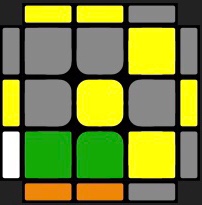
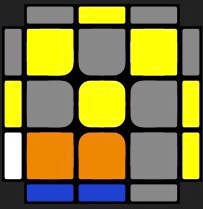
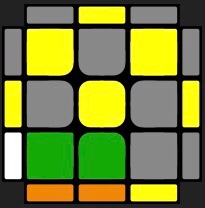
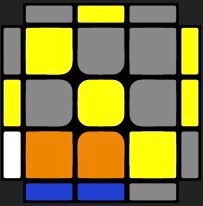
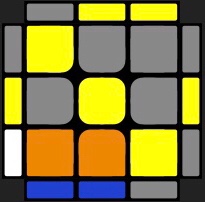
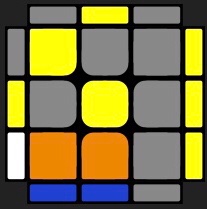
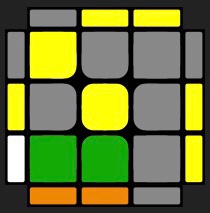
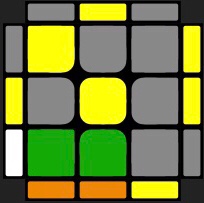
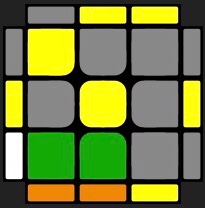
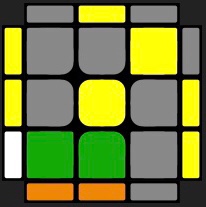
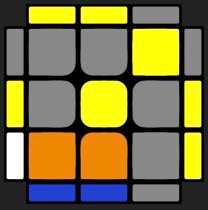
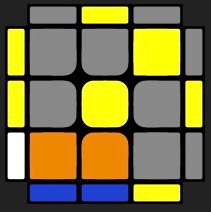
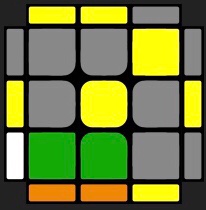
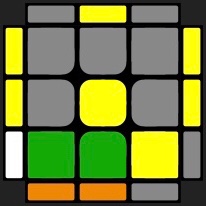
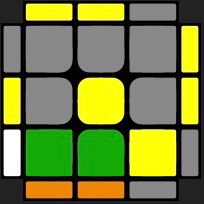
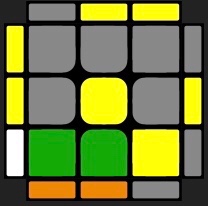
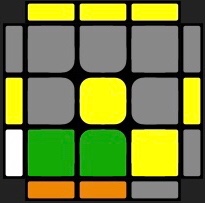
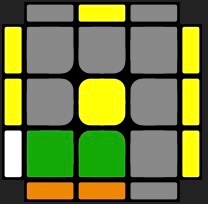
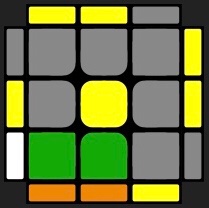
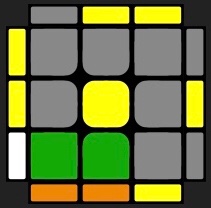
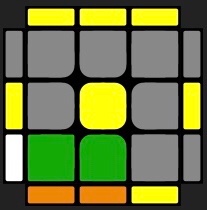
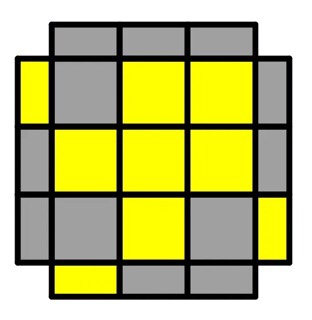
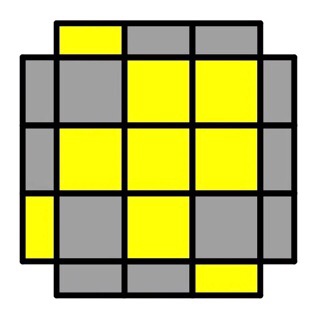
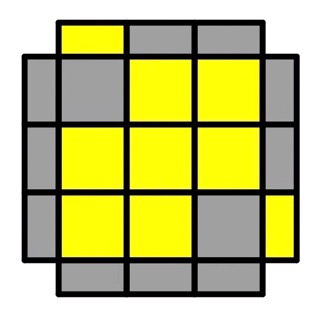
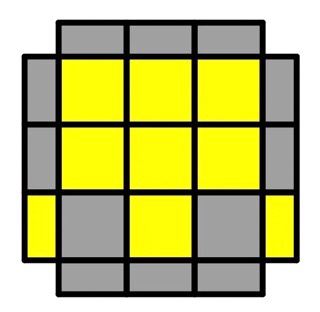
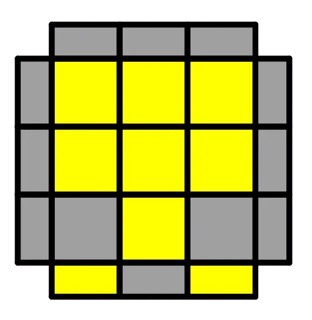
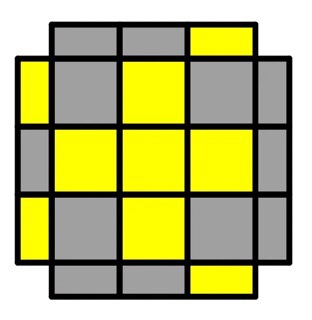
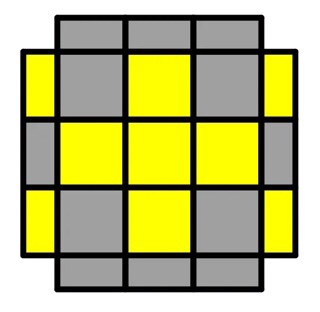
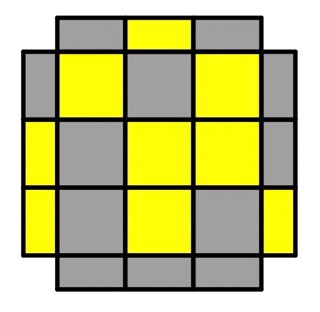
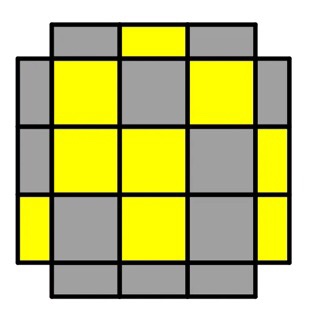
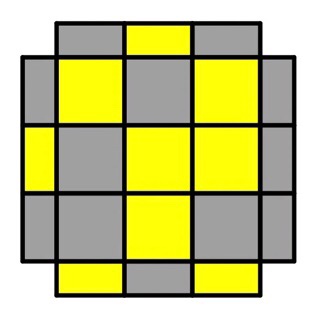
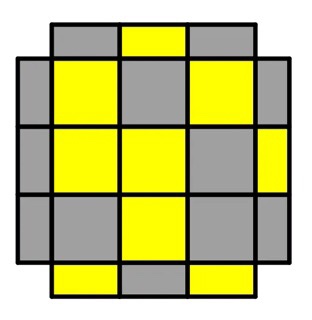
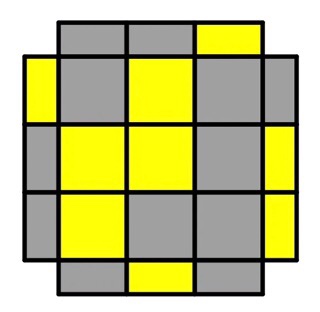
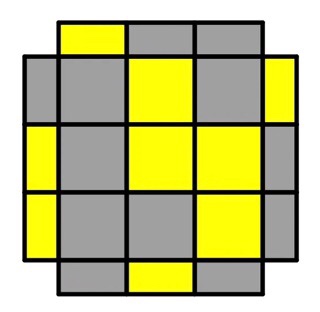
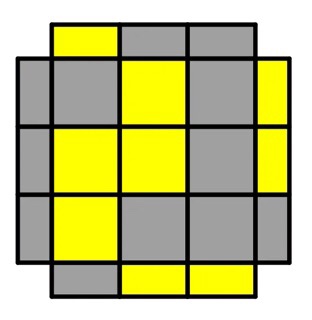
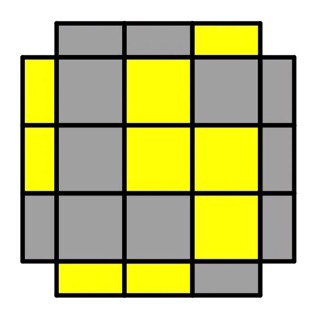
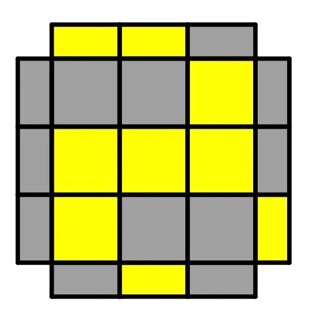
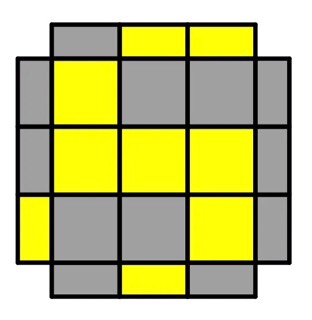
VLS (Category 8 “WV”, Pattern 8 “no hole”)

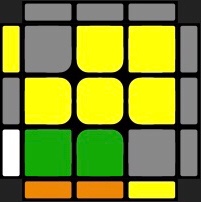
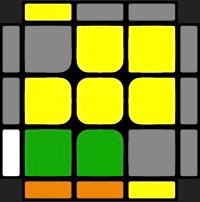
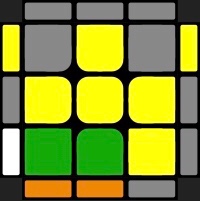
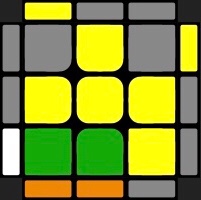
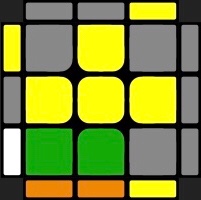
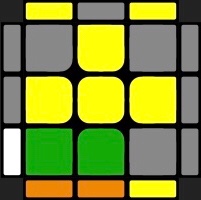
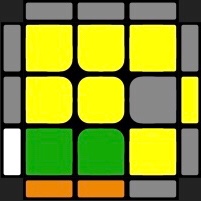
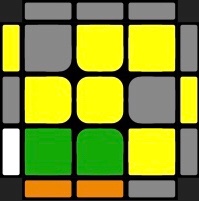
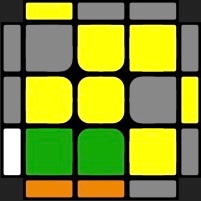
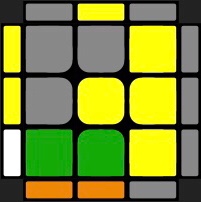
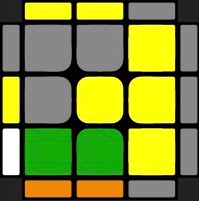
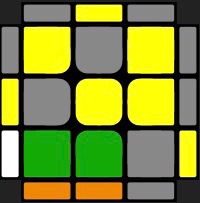
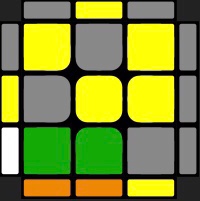
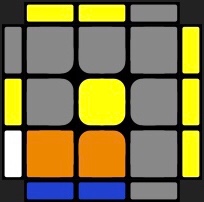
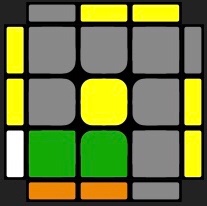
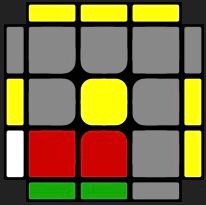
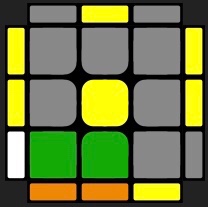
In this page, I will show the algorithms I chose for the 1 case of the Pattern 8, which is the last one.

I call this pattern “no hole”.

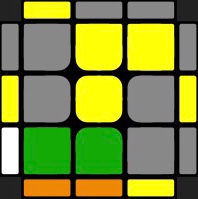
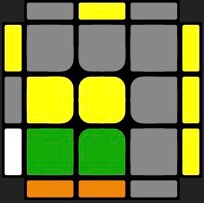
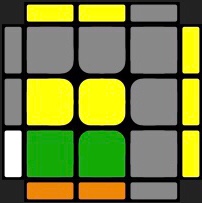
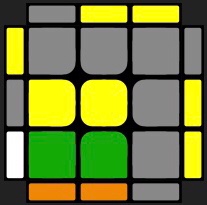
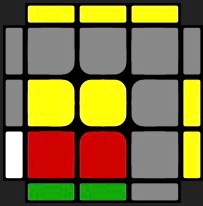
No. 1: None of the CP looks at a side

https://www.speedcubedb.com/a/3×3/WV/WV_1

Algorithm: (L’ U2) (R U R’) (U2 L)

So, this is it for the Category 8, and also for all 216 patterns of VLS!

It may be a long road to walk through all 216 algorithms, but as the proverb says, “A journey of a thousand miles begins with a single step”.

I hope you can make use of my VLS learning series, and speed up in completion of the OLL process.

VLS (Category 8 “WV”, Pattern 7 “light”)

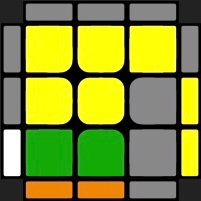
In this page, I will show the algorithms I chose for the 2 cases of the Pattern 7.

I call this pattern “light”.

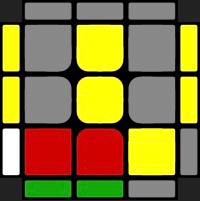
No. 7: UBL looks at a side

https://www.speedcubedb.com/a/3×3/WV/WV_7

Algorithm: (R U R’ U’) (R U’ R’)

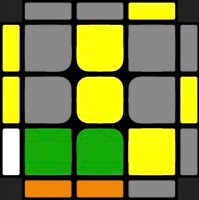
No. 6: None of the CP looks at a side

Algorithm: U’ (R U’ R’ U2′)2 (R U R’)

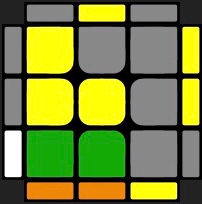
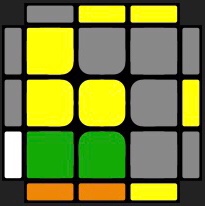
VLS (Category 8 “WV”, Pattern 6 “rectangle”)

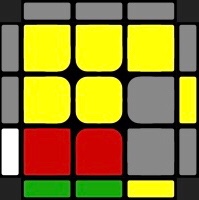
In this page, I will show the algorithms I chose for the 2 cases of the Pattern 6.

I call this pattern “rectangle”.

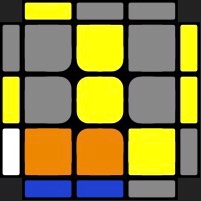
No. 3: UFR looks at a side

https://www.speedcubedb.com/a/3×3/WV/WV_3

Algorithm: U’ (R’ F R U) (R U’ R’ F’)

No. 2: None of the CP looks at a side

https://www.speedcubedb.com/a/3×3/WV/WV_2

Algorithm: R U’ R’

VLS (Category 8 “WV”, Pattern 5 “tadpole”)

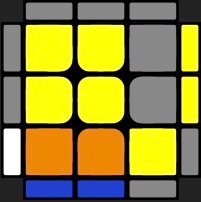
In this page, I will show the algorithms I chose for the 2 cases of the Pattern 5.

I call this pattern “tadpole”.

No. 4: UBR looks at a side

https://www.speedcubedb.com/a/3×3/WV/WV_4/0

Algorithm: (R2 D) (R’ U’ R D’) R2′

No. 5: None of the CP looks at a side

https://www.speedcubedb.com/a/3×3/WV/WV_5

Algorithm: (R U’ R’) + OLL

My OLL is (L U2 L’ U’ L U’ L’), which is Left Back Antisune. This can be substituted by (U + Right Back Sune) or (U2 + Right Antisune) if the right hand version is preferible for you.

VLS (Category 8 “WV”, Pattern 4 “smoke”)

In this page, I will show the algorithms I chose for the 4 cases of the Pattern 4.

I call this pattern “smoke”.

No. 18: UFR and UBR look at a side

https://www.speedcubedb.com/a/3×3/WV/WV_18

Algorithm: U R U2′ R’

It is worth using this WV, because it is easy to recognize the pattern, and it saves 6 turns, comparing with (R U’ R) + OLL.

No. 19: UFR looks at a side

https://www.speedcubedb.com/a/3×3/WV/WV_19

Algorithm: (U L’) (U R U’ R’) (L U’ R U’ R’)

No. 16: UBL looks at a side

https://www.speedcubedb.com/a/3×3/WV/WV_16

Algorithm: (R’ D’) (R U R’ D) (R2 U2′ R’)

No. 17: None of the CP looks at a side

https://www.speedcubedb.com/a/3×3/WV/WV_17

Algorithm: U’ (R’ F’ R) U2′ (R U2′ R’) F

VLS (Category 8 “WV”, Pattern 3 “truck”)

In this page, I will show the algorithms I chose for the 4 cases of the Pattern 3.

I call this pattern “truck”.

No. 15: UFR and UBL look at a side

https://www.speedcubedb.com/a/3×3/WV/WV_15

Algorithm: L’ (U R U’ R’) L

No. 14: UFR looks at a side

https://www.speedcubedb.com/a/3×3/WV/WV_14

Algorithm: U (R2 D) (R’ U2 R D’) R2′

No. 13: UBL looks at a side

https://www.speedcubedb.com/a/3×3/WV/WV_13

Algorithm: (U R U2′) (R2′ U’ R U’ R’ U2′ R)

This is a Slot in (U R U2′ R’) + Back Sune.

No. 12: None of the CP looks at a side

https://www.speedcubedb.com/a/3×3/WV/WV_12

Algorithm: (R U’ x’) (U R’ D) (R U’ R’ D’ x)

This is a Slot in (R U’ R’) + OCLL (x’ R U R’ D R U’ R’ D’ x). The last turn (R’) of the first and the second turn (R) of the latter are off set, resulting the algorithm above indicated.

VLS (Category 8 “WV”, Pattern 2 “pistol”)

In this page, I will show the algorithms I chose for the 4 cases of the Pattern 2.

I call this pattern “pistol”.

No. 9: UBR and UBL look at a side

https://www.speedcubedb.com/a/3×3/WV/WV_9/0

Algorithm: (U F’) (R U2′ R’) U2′ (R’ F R)

No. 8: UBR looks at a side

https://www.speedcubedb.com/a/3×3/WV/WV_8

Algorithm: (U R U’ R’) (U R U2′ R’)

No. 11: UBL looks at a side

https://www.speedcubedb.com/a/3×3/WV/WV_11

Algorithm: U (R’ U’ R2 U’ R2′ U2′ R)

No. 10: None of the CP looks at a side

https://www.speedcubedb.com/a/3×3/WV/WV_10

Algorithm: (R U) (R2′ U’ R2 U’ R2′ U2′ R)

Both algorithms use the same sequence (R’ U’ R2 U’ R2′ U2′ R), so it is easy to memorize them.

VLS (Category 8 “WV”, Pattern 1 “convex”)

Actually, there isn’t Category 8 in the VLS, and the correct naming is “Winter Variation” or “WV” as an abbreviation.

But I included the WV as if it were one of the VLS categories, because it is the case in which all 3 EP corresponding to the U face is oriented. It is an opposite of the Category “Dot”.

In this page, I will show the algorithms I chose for the 8 cases of the Pattern 1.

I call this pattern “convex”.

As same as the other categories, I position the final F2L pair to the front of the U face. You can slot it in by (R U’ R’) sequence in a normal way.

The number (No) corresponds to the image taken from the web site of SpeedCubeDB: https://www.speedcubedb.com/a/VLS

No. 23: All 3 CP look at a side

https://www.speedcubedb.com/a/3×3/WV/WV_23/0

Algorithm: U’ (R2 U R’ U) (R’ U’ R U) (R U2′ R2′)

No. 21: UFR and UBR look at a side

https://www.speedcubedb.com/a/3×3/WV/WV_21

Algorithm: (R U’) (R2′ U2′ R U R’ U R)

This as a Slot in (R U’ R’) + Back Antisune combination.

No. 27: UFR and UBL look at a side

https://www.speedcubedb.com/a/3×3/WV/WV_27

Algorithm: (R U R’ U’)2 (R U’ R’)

No. 25: UFR looks at a side

https://www.speedcubedb.com/a/3×3/WV/WV_25

Algorithm: (U R U2′) (R2′ U2′ R U R’ U R)

This as a Slot in (U R U2′ R’) + Back Antisune combination.

No. 22: UBR and UBL look at a side

https://www.speedcubedb.com/a/3×3/WV/WV_22

Algorithm: (R U R D) (R’ U2 R D’) R2′

No. 20: UBR looks at a side

https://www.speedcubedb.com/a/3×3/WV/WV_20

Algorithm: (R U’ R’) + OLL

My OLL is (L’ U2 L U L’ U L), which is a Left Antisune.

No. 26: UBL looks at a side

https://www.speedcubedb.com/a/3×3/WV/WV_26

Algorithm: (R U’) (R2′ U’ R U’ R’ U2′ R)

This as a Slot in (R U’ R’) + Back Sune combination.

No. 24: None of the CP looks at a side

https://www.speedcubedb.com/a/3×3/WV/WV_24

Algorithm: (U R U’ R’)2 (U R U2′ R’)

VLS (Category 7 “No Back”, Pattern 8 “pinhole”)

In this page, I will show the algorithms I chose for the 1 case of the Pattern 8, which is the last one.

I call this pattern “pinhole”.

No. 29: None of the CP looks at a side

https://www.speedcubedb.com/a/3×3/VLSUB/VLS_29

Algorithm: (U M’ U’) (L’ U2) (R U R’) (U2 l)

As there are M’ and L’ in the first half, the last turn should be l (double-row L).

So, this is it for the Category 7!

I will continue posting in my blog the 27 algorithms of the Category 8, which I chose.

VLS (Category 7 “No Back”, Pattern 7 “wrench”)

In this page, I will show the algorithms I chose for the 2 cases of the Pattern 7.

I call this pattern “wrench”.

No. 35: UBL looks at a side

https://www.speedcubedb.com/a/3×3/VLSUB/VLS_35

Algorithm: (R U R’ U’) S’ (R U’ R’) S

No. 34: None of the CP looks at a side

https://www.speedcubedb.com/a/3×3/VLSUB/VLS_34

Algorithm: (R U R’ U’) (R U’ R’ U) f (U R U’ R’) f’

VLS (Category 7 “No Back”, Pattern 6 “left hand”)

In this page, I will show the algorithms I chose for the 2 cases of the Pattern 6.

I call this pattern “left hand”.

No. 31: UBR looks at a side

https://www.speedcubedb.com/a/3×3/VLSUB/VLS_31/0

Algorithm: F’ (U’ L’ U’ L) F

No. 30: None of the CP looks at a side

https://www.speedcubedb.com/a/3×3/VLSUB/VLS_30

Algorithm: F’ L’ (f’ L’ f) L F

VLS (Category 7 “No Back”, Pattern 5 “fish”)

In this page, I will show the algorithms I chose for the 2 cases of the Pattern 5.

I call this pattern “fish”.

No. 32: UBR looks at a side

https://www.speedcubedb.com/a/3×3/VLSUB/VLS_32

Algorithm: S U’ (f’ U’ f) U S’

No. 33: None of the CP looks at a side

https://www.speedcubedb.com/a/3×3/VLSUB/VLS_33

Algorithm: d (R2′ F R F’) R

VLS (Category 7 “No Back”, Pattern 4 “square”)

In this page, I will show the algorithms I chose for the 4 cases of the Pattern 4.

I call this pattern “square”.

No. 45: UFR and UBR look at a side

https://www.speedcubedb.com/a/3×3/VLSUB/VLS_45

Algorithm: F’ (L’ U2 L U) F

Finger tricks: F’ by left thumb.

No. 47: UFR looks at a side

https://www.speedcubedb.com/a/3×3/VLSUB/VLS_47

Algorithm: R (B U’ B’) R’

No. 44: UBL looks at a side

https://www.speedcubedb.com/a/3×3/VLSUB/VLS_44

Algorithm: (R U’ R’) + OLL

My OLL is (f’ L’ U’ L U f).

No. 46: None of the CP looks at a side

https://www.speedcubedb.com/a/3×3/VLSUB/VLS_46

Algorithm: (F’ U F) (R U R’ U’) (R U’ R’)

The (F’ U F) sequence takes me time, but the following easy turns compensate it.

VLS (Category 7 “No Back”, Pattern 3 “big dipper”)

In this page, I will show the algorithms I chose for the 4 cases of the Pattern 3.

I call this pattern “big dipper”.

No. 43: UFR and UBL look at a side

https://www.speedcubedb.com/a/3×3/VLSUB/VLS_43

Algorithm: U’ (R’ U2′) (F U R U’ F’) (R’ U2′ R)

No. 42: UFR looks at a side

https://www.speedcubedb.com/a/3×3/VLSUB/VLS_42

Algorithm: U (R’ F R F’) (R U2′ R’)

No. 41: UBL looks at a side

https://www.speedcubedb.com/a/3×3/VLSUB/VLS_41

Algorithm: U (F R’ F’ r) U’ (R U’ R’ U) M

No. 40: None of the CP looks at a side

https://www.speedcubedb.com/a/3×3/VLSUB/VLS_40

Algorithm: U2′ (F’ U’ F U’) (R U R’ U’) (R U’ R’)

VLS (Category 7 “No Back”, Pattern 2 “scorpion”)

In this page, I will show the algorithms I chose for the 4 cases of the Pattern 2.

I call this pattern “scorpion”.

No. 37: UBR and UBL look at a side

https://www.speedcubedb.com/a/3×3/VLSUB/VLS_37

Algorithm: U (R’ F R F’) (R U’ R’ U) (R U2′ R’)

No. 36: UBR looks at a side

https://www.speedcubedb.com/a/3×3/VLSUB/VLS_36/0

Algorithm: U (r U’ R’ U) (R U2′ R’ U’) M

No. 39: UBL looks at a side

https://www.speedcubedb.com/a/3×3/VLSUB/VLS_39

Algorithm: F’ (L’ U’ L) F2′ (R U R’ U’) F’

F2′ is usually turned by right or left index finger. I use left thumb to turn F-slice by 180 degrees, moving it through from the left top to the right bottom of the cube. With this manner, you can avoid re-grip.

No. 38: None of the CP looks at a side

https://www.speedcubedb.com/a/3×3/VLSUB/VLS_38

Algorithm: (R B U’ B’) (R2′ U2′ R U R’ U R)

VLS (Category 7 “No Back”, Pattern 1 “no back”)

I call this category “No Back”, although the usual expression seems to be “UB Edges Misoriented”, or just “UB”.

In this page, I will show the algorithms I chose for the 8 cases of the Pattern 1.

I call this pattern “no back”.

The number (No) corresponds to the image taken from the web site of SpeedCubeDB: https://www.speedcubedb.com/a/VLS

No. 51: All 3 CP look at a side

https://www.speedcubedb.com/a/3×3/VLSUB/VLS_51/0

Algorithm: (U R U’ R’) F’ (L’ U’ L) F

No. 49: UFR and UBR look at a side

https://www.speedcubedb.com/a/3×3/VLSUB/VLS_49

Algorithm: (F’ U F U) (R U2′ R’)

No. 55: UFR and UBL look at a side

https://www.speedcubedb.com/a/3×3/VLSUB/VLS_55

Algorithm: y (r U2′ R’ U’) (R U’ r2′ F r)

No. 53: UFR looks at a side

https://www.speedcubedb.com/a/3×3/VLSUB/VLS_53

Algorithm: U (R U2′ R’) (r’ U2′ R U R’ U r)

No. 50: UBR and UBL look at a side

https://www.speedcubedb.com/a/3×3/VLSUB/VLS_50

Algorithm: U2′ (F’ U’ F U’) (R U’ R’)

No. 48: UBR looks at a side

https://www.speedcubedb.com/a/3×3/VLSUB/VLS_48

Algorithm: F’ U (R U’ r’ F) (l’ U L U F)

I was using (F’ U R U’ L’ U R’ U L U F) which was same as above, but I couldn’t turn it well. So, I changed my finger trick.

No. 54: UBL looks at a side

https://www.speedcubedb.com/a/3×3/VLSUB/VLS_54

Algorithm: (R U’ R’) + OLL

My OLL is (r’ U’ R U’ R’ U2′ r), which is Back Sune with r’/r.

No. 52: None of the CP looks at a side

https://www.speedcubedb.com/a/3×3/VLSUB/VLS_52

Algorithm: (R’ F R) y’ (R2′ U’ R U) (R’ U R)

If you want to avoid y’ turn, the other algorithm (R B U’ B’ R’ r U R’ U’ r’ F R F’) may be suitable.

VLS (Category 6 “No Middle”, Pattern 8 “letter u”)

In this page, I will show the algorithms I chose for the 1 case of the Pattern 8, which is the last one.

I call this pattern “letter u”.

No. 164: None of the CP looks at a side

https://www.speedcubedb.com/a/3×3/VLSUL/VLS_164

Algorithm: U (F’ U F) U2′ (R U’ R’)

So, this is it for the Category 6!

I will continue posting in my blog the 27 algorithms of the Category 7, which I chose.

VLS (Category 6 “No Middle”, Pattern 7 “laid T”)

In this page, I will show the algorithms I chose for the 2 cases of the Pattern 7.

I call this pattern “laid T”.

No. 170: UBL looks at a side

https://www.speedcubedb.com/a/3×3/VLSUL/VLS_170

Algorithm: U’ (R’ F R F’) U (R U R’ U’) (R’ F R F’)

No. 169: None of the CP looks at a side

https://www.speedcubedb.com/a/3×3/VLSUL/VLS_169

Algorithm: (R U’ R’) + OLL

My OLL is (f R U R’ U’ f’).

VLS (Category 6 “No Middle”, Pattern 6 “letter U”)

In this page, I will show the algorithms I chose for the 2 cases of the Pattern 6.

I call this pattern “letter U”.

No. 166: UFR looks at a side

https://www.speedcubedb.com/a/3×3/VLSUL/VLS_166

Algorithm: (U’ R’ U’) (F R F’ U’) (R’ U2′ R)

No. 165: None of the CP looks at a side

https://www.speedcubedb.com/a/3×3/VLSUL/VLS_165

Algorithm: (R U R’ U’) F’ (L’ U2 L U) F

VLS (Category 6 “No Middle”, Pattern 5 “letter S”)

In this page, I will show the algorithms I chose for the 2 cases of the Pattern 5.

I call this pattern “letter S”.

No. 167: UBR looks at a side

https://www.speedcubedb.com/a/3×3/VLSUL/VLS_167/0

Algorithm: (U’ R’ U’) (F R F’) (R’ U R)

No. 168: None of the CP looks at a side

https://www.speedcubedb.com/a/3×3/VLSUL/VLS_168

Algorithm: (R U R’ U) (F’ U’ F U’) (R U’ R’)

VLS (Category 6 “No Middle”, Pattern 4 “letter L”)

In this page, I will show the algorithms I chose for the 4 cases of the Pattern 4.

I call this pattern “letter L”.

No. 180: UFR and UBR look at a side

https://www.speedcubedb.com/a/3×3/VLSUL/VLS_180

Algorithm: (U R U’ R’) S’ (R U’ R’) S

No. 182: UFR looks at a side

https://www.speedcubedb.com/a/3×3/VLSUL/VLS_182

Algorithm: F’ L’ U’ L F

No. 179: UBL looks at a side

https://www.speedcubedb.com/a/3×3/VLSUL/VLS_179

Algorithm: (F’ L’ U’ L F) (R’ U’ R U’ R’ U2′ R)

This is No. 182 + Back Sune.

No. 181: None of the CP looks at a side

https://www.speedcubedb.com/a/3×3/VLSUL/VLS_181

Algorithm: U (R U2′ R’ U) (R U R’ U’) (R’ F R F’)

VLS (Category 6 “No Middle”, Pattern 3 “baby carriage”)

In this page, I will show the algorithms I chose for the 4 cases of the Pattern 3.

I call this pattern “baby carriage”.

No. 178: UFR and UBL look at a side

Algorithm: (R B’ U’) (R’ U R) B R’

Finger tricks: B’/B by right index finger.

https://www.speedcubedb.com/a/3×3/VLSUL/VLS_178

No. 177: UFR looks at a side

Algorithm: (R U R’ F2) (r U r’ F)

https://www.speedcubedb.com/a/3×3/VLSUL/VLS_177

No. 176: UBL looks at a side

Algorithm: U’ (R’ F R F’) U F (R U R’ U’) F’

https://www.speedcubedb.com/a/3×3/VLSUL/VLS_176

No. 175: None of the CP looks at a side

Algorithm: (U R U’ R’) (U R U’) (B U’ B’ R’)

Finger tricks: B/B’ by right index finger.

https://www.speedcubedb.com/a/3×3/VLSUL/VLS_175

VLS (Category 6 “No Middle”, Pattern 2 “dog”)

In this page, I will show the algorithms I chose for the 4 cases of the Pattern 2.

I call this pattern “dog”.

No. 172: UBR and UBL look at a side

https://www.speedcubedb.com/a/3×3/VLSUL/VLS_172/0

Algorithm: (U’ R’ U’) (F U R) y’ (R’ U R U2 R’)

No. 171: UBR looks at a side

https://www.speedcubedb.com/a/3×3/VLSUL/VLS_171

Algorithm: d’ (R U R’ F) (R U’ R’) (F2 U2′ F)

No. 174: UBL looks at a side

https://www.speedcubedb.com/a/3×3/VLSUL/VLS_174

Algorithm: U’ (R2′ U’ R F) (R’ U R2 U’ F’)

Finger tricks: F by right thumb. F’ by right ring finger.

No. 173: None of the CP looks at a side

https://www.speedcubedb.com/a/3×3/VLSUL/VLS_173

Algorithm: (R’ F R F’) U (F R’ F’ R)

This is an algorithm whose style is <SequenceA + SequenceB + Backward Inverted SequenceA>.

In this case, SequenceA is (R’ F R F’), SequenceB is (U), and Backward Inverted SequenceA is (F R’ F’ R).

We can see many algorithms of this style.

VLS (Category 6 “No Middle”, Pattern 1 “no middle”)

I call this category “No Middle”, although the usual expression seems to be “UL Edges Misoriented”, or just “UL”.

In this page, I will show the algorithms I chose for the 8 cases of the Pattern 1.

I call this pattern “no middle”.

The number (No) corresponds to the image taken from the web site of SpeedCubeDB: https://www.speedcubedb.com/a/VLS

No. 186: All 3 CP look at a side

https://www.speedcubedb.com/a/3×3/VLSUL/VLS_186/0

Algorithm: (F’ U2′ F) (R U R’ U’) (R U’ R’)

No. 184: UFR and UBR look at a side

https://www.speedcubedb.com/a/3×3/VLSUL/VLS_184/0

Algorithm: F’ U (L’ U2 L) U F

No. 190: UFR and UBL look at a side

https://www.speedcubedb.com/a/3×3/VLSUL/VLS_190

Algorithm: y’ (R’ U R U) (R2′ F R F’) R

No. 188: UFR looks at a side

https://www.speedcubedb.com/a/3×3/VLSUL/VLS_188

Algorithm: U (R’ F R F’) U’ (F’ L’ U’ L F)

No. 185: UBR and UBL look at a side

https://www.speedcubedb.com/a/3×3/VLSUL/VLS_185

Algorithm: (R U R2′ F R F’) (R U2′ R’)

No. 183: UBR looks at a side

https://www.speedcubedb.com/a/3×3/VLSUL/VLS_183

Algorithm: U (F’ U F) U’ (R U2′ R’)

I like to avoid selecting the algorithm which includes (F’ U F) sequence in most cases because it would take time for me. But I use it if there is no other one which I could turn faster.

No. 189: UBL looks at a side

https://www.speedcubedb.com/a/3×3/VLSUL/VLS_189

Algorithm: (U R d’) (R U’ R’ U) (R U’ R’) F’

No. 187: None of the CP looks at a side

https://www.speedcubedb.com/a/3×3/VLSUL/VLS_187

Algorithm: U (R’ U’ R U’) (R’ U2′ F R F’)

The second half is a Sledgehammer with U2′ included.

VLS (Category 5 “No Front”, Pattern 8 “arrowhead”)

In this page, I will show the algorithms I chose for the 1 case of the Pattern 8, which is the last one.

I call this pattern “arrowhead”.

No. 83: None of the CP looks at a side

https://www.speedcubedb.com/a/3×3/VLSUF/VLS_83

Algorithm: (F’ U’ F) U (R U2′ R’)

So, this is it for the Category 5!

I will continue posting in my blog the 27 algorithms of the Category 6, which I chose.

VLS (Category 5 “No Front”, Pattern 7 “letter 9”)

In this page, I will show the algorithms I chose for the 2 cases of the Pattern 7.

I call this pattern “letter 9”.

No. 89: UBL looks at a side

https://www.speedcubedb.com/a/3×3/VLSUF/VLS_89

Algorithm: (R U’ R) + OLL

My OLL is (r U r’ R U R’ U’ r U’ r’).

No. 88: None of the CP looks at a side

https://www.speedcubedb.com/a/3×3/VLSUF/VLS_88

Algorithm: (R U’ R’) + OLL

My OLL is (F R U R’ U’ F’).

I prefer use (R U’ R’) + OLL for both cases.

VLS (Category 5 “No Front”, Pattern 6 “right hand”)

In this page, I will show the algorithms I chose for the 2 cases of the Pattern 6.

I call this pattern “right hand”.

No. 85: UFR looks at a side

https://www.speedcubedb.com/a/3×3/VLSUF/VLS_85

Algorithm: U’ F2 (r U r’) F U’ (R U R’)

No. 84: None of the CP looks at a side

https://www.speedcubedb.com/a/3×3/VLSUF/VLS_84

Algorithm: (U’ r) (R’ U R) (U’ r)

I modified the original algorithm (M’ U R U’ r’) to my suitable finger tricks.

VLS (Category 5 “No Front”, Pattern 5 “letter W”)

In this page, I will show the algorithms I chose for the 2 cases of the Pattern 5.

I call this pattern “letter W”.

No. 86: UBR looks at a side

https://www.speedcubedb.com/a/3×3/VLSUF/VLS_86/0

Algorithm: d’ (R’ F’ r) U M

No. 87: None of the CP looks at a side

https://www.speedcubedb.com/a/3×3/VLSUF/VLS_87

Algorithm: d R’ (l’ U’ L U’ L’ U2 l)

Both start with d’/d, so it is easy to memorize them.

VLS (Category 5 “No Front”, Pattern 4 “light”)

In this page, I will show the algorithms I chose for the 4 cases of the Pattern 4.

I call this pattern “light”.

No. 99: UFR and UBR look at a side

https://www.speedcubedb.com/a/3×3/VLSUF/VLS_99

Algorithm: U’ (R’ F R F’) (R U R’ U R U2′ R’)

No. 101: UFR looks at a side

https://www.speedcubedb.com/a/3×3/VLSUF/VLS_101

Algorithm: (R’ U’ R’) (F R2 F’) (R’ U R)

Finger trick: F’ by right ring finger.

No. 98: UBL looks at a side

https://www.speedcubedb.com/a/3×3/VLSUF/VLS_98

Algorithm: (R U’ R’) + OLL

My OLL is (f U R U’ R’ f’).

No. 100: None of the CP looks at a side

https://www.speedcubedb.com/a/3×3/VLSUF/VLS_100

Algorithm: (R U’ R’) + OLL

My OLL is (r’ F’ r U r U’ r’ F).

Finger tricks: F’ by left index finger.

VLS (Category 5 “No Front”, Pattern 3 “baloon”)

In this page, I will show the algorithms I chose for the 4 cases of the Pattern 3.

I call this pattern “baloon”.

No. 97: UFR and UBL look at a side

https://www.speedcubedb.com/a/3×3/VLSUF/VLS_97

Algorithm: U’ R’ F R F’

What a difference if you would slot it in with (R U’ R’) and OLL which would be so-called T shape (8 turns). You can save 6 turns if you apply this VLS!

No. 96: UFR looks at a side

https://www.speedcubedb.com/a/3×3/VLSUF/VLS_96

Algorithm: (F’ U’ F) R2 D (R’ U’ R) D’ R2′

No. 95: UBL looks at a side

https://www.speedcubedb.com/a/3×3/VLSUF/VLS_95

Algorithm: (R U’ R’) + OLL

My OLL is (U r’ U’ F R’ F’ R U r).

The normal option of OLL may be (U’ R’ U’ R’ F R F’ U R), which is easier to turn. But I prefer using (R U’ R’ U) sequence in almost all of the algorithms to avoid confusion with which should be used, (R U’ R’ U) or (R U’ R’ U’).

No. 94: None of the CP looks at a side

https://www.speedcubedb.com/a/3×3/VLSUF/VLS_94

Algorithm: U’ (R’ F R F’) (R’ U’ R U’ R’ U2′ R)

VLS (Category 5 “No Front”, Pattern 2 “thunder”)

In this page, I will show the algorithms I chose for the 4 cases of the Pattern 2.

I call this pattern “thunder”.

No. 91: UBR and UBL look at a side

https://www.speedcubedb.com/a/3×3/VLSUF/VLS_91/0

Algorithm: U’ (R’ F R F’) (L U L’ U L2 U2 L’)

The second half is the left Back Sune. If you prefer, right Sune (U2′ R U R’ U R U2′ R’) method can be used.

No. 90: UBR looks at a side

https://www.speedcubedb.com/a/3×3/VLSUF/VLS_90

Algorithm: (U’ M’ U’) (r’ F2 R F’) (U L’ U L)

No. 93: UBL looks at a side

https://www.speedcubedb.com/a/3×3/VLSUF/VLS_93

Algorithm: U r’ U’ R2 U’ R2′ U2′ r

No. 92: None of the CP looks at a side

https://www.speedcubedb.com/a/3×3/VLSUF/VLS_92

Algorithm: (R U R’) U2′ (R’ F R2 U R’) (U’ F’)

VLS (Category 5 “No Front”, Pattern 1 “no front”)

I call this category “No Front”, although the usual expression seems to be “UF Edges Misoriented”, or just “UF”.

In this page, I will show the algorithms I chose for the 8 cases of the Pattern 1.

I call this pattern “no front”.

The number (No) corresponds to the image taken from the web site of SpeedCubeDB: https://www.speedcubedb.com/a/VLS

No. 105: All 3 CP look at a side

https://www.speedcubedb.com/a/3×3/VLSUF/VLS_105/0

Algorithm: U’ (F’ U’ F) (R’ F R F’) (R U R’)

No. 103: UFR and UBR look at a side

https://www.speedcubedb.com/a/3×3/VLSUF/VLS_103

Algorithm: S (F’ U F U) (R U2′ R’) U2′ S’

No. 109: UFR and UBL look at a side

https://www.speedcubedb.com/a/3×3/VLSUF/VLS_109

Algorithm: U’ (F’ U’ F) (R U R D) (R’ U2 R D’) R2′

No. 107: UFR looks at a side

https://www.speedcubedb.com/a/3×3/VLSUF/VLS_107

Algorithm: U’ (R’ F R F’) (L U2 L’ U’ L U’ L’)

If you prefer, (U R’ U’ R U’ R’ U2′ R) can be used instead of L…L’.

No. 104: UBR and UBL look at a side

https://www.speedcubedb.com/a/3×3/VLSUF/VLS_104

Algorithm: (R U’ R’) + OLL

My OLL is (f R’ F’ R U R U’ R’ S’).

(f R’ F’ R) is Inverted Sledgehammer with f at the beginning.

No. 102: UBR looks at a side

https://www.speedcubedb.com/a/3×3/VLSUF/VLS_102

Algorithm: (F’ U’ F) (U R U’ R’) (U R U2′ R’)

No. 108: UBL looks at a side

https://www.speedcubedb.com/a/3×3/VLSUF/VLS_108

Algorithm: U2′ (F’ U’ F) U2′ (R’ F R F’)

No. 106: None of the CP looks at a side

https://www.speedcubedb.com/a/3×3/VLSUF/VLS_106

Algorithm: (F’ U’ F) (R U R’ U’) (R U’ R’)

For this pattern, (F’ U’ F) or (F’ U F) sequence is included in the most of my selected algorithms. I use my thumb only, or thumb & index finger combination to turn F/F’.

VLS (Category 4 “Back”, Pattern 8 “robot&moon”)

In this page, I will show the algorithms I chose for the 1 case of the Pattern 8, which is the last one.

I call this pattern “robot&moon”.

No. 137: None of the CP looks at a side

https://www.speedcubedb.com/a/3×3/VLSUFUL/VLS_137

Algorithm: (R U’ R’) + OLL

My selected OLL is (U’ F R’ F’ R U R U’ R’).

So, this is it for the Category 4!

There are many cases I prefer using (R U’ R’) + OLL for this category, because I can turn them more quickly than others, and also it is easier to memorize them.

I will continue posting in my blog the 27 algorithms of the Category 5, which I chose.

VLS (Category 4 “Back”, Pattern 7 “robot”)

In this page, I will show the algorithms I chose for the 2 cases of the Pattern 7.

I call this pattern “robot”.

No. 143: UBL looks at a side

https://www.speedcubedb.com/a/3×3/VLSUFUL/VLS_143

Algorithm: (R U’ R’) + OLL

My selected OLL is (r U2′ R’ U’ R U’ r’), which is Anti-Sune with r/r’ at the beginning and end.

No. 142: None of the CP looks at a side

https://www.speedcubedb.com/a/3×3/VLSUFUL/VLS_142

Algorithm: (R U’ R’) + OLL

My selected OLL is (F’ U’ L’ U L F).

I prefer normal Slot in and OLL for these 2 cases.

VLS (Category 4 “Back”, Pattern 6 “moon viewing”)

In this page, I will show the algorithms I chose for the 2 cases of the Pattern 6.

I call this pattern “moon viewing”.

No. 139: UFR looks at a side

https://www.speedcubedb.com/a/3×3/VLSUFUL/VLS_139

Algorithm: (R U’ R’) + OLL

My selected OLL is (U R U2′ R2′ F R F’ R U2′ R’).

No. 138: None of the CP looks at a side

https://www.speedcubedb.com/a/3×3/VLSUFUL/VLS_138

Algorithm: (R U’ R’) + OLL

My selected OLL is (U S U R U’ R’ S’ R U R’).

VLS (Category 4 “Back”, Pattern 5 “driver”)

In this page, I will show the algorithms I chose for the 2 cases of the Pattern 5.

I call this pattern “driver”.

No. 140: UBR looks at a side

https://www.speedcubedb.com/a/3×3/VLSUFUL/VLS_140/0

Algorithm: (U R U’ R2′) (F’ U’ F U) (R2 U2′ R’)

No. 141: None of the CP looks at a side

https://www.speedcubedb.com/a/3×3/VLSUFUL/VLS_141

Algorithm: U2′ (R’ F R F) (r U r’ F) (R U R’)

VLS (Category 4 “Back”, Pattern 4 “bed”)

In this page, I will show the algorithms I chose for the 4 cases of the Pattern 4.

I call this pattern “bed”.

No. 153: UFR and UBR look at a side

https://www.speedcubedb.com/a/3×3/VLSUFUL/VLS_153

Algorithm: U2 (r U r’) U2 (R U’ R’) (M’ U M)

No. 155: UFR looks at a side

https://www.speedcubedb.com/a/3×3/VLSUFUL/VLS_155

Algorithm: S F’ (L’ U’ L) F S’

No. 152: UBL looks at a side

https://www.speedcubedb.com/a/3×3/VLSUFUL/VLS_152

Algorithm: (U R U’ R’)2 U’ (R’ F R F’)

No. 154: None of the CP looks at a side

https://www.speedcubedb.com/a/3×3/VLSUFUL/VLS_154

Algorithm: (l’ U’ L U’ L’ U2 l) U (F R’ F’ R)

This begins with left-hand Sune with l’/l, and ends with a so-called Invert Sledgehammer.

Finger trick for Invert Sledgehammer: F by right thumb, F’ by left index finger.

VLS (Category 4 “Back”, Pattern 3 “man”)

In this page, I will show the algorithms I chose for the 4 cases of the Pattern 3.

I call this pattern “man”.

No. 151: UFR and UBL look at a side

https://www.speedcubedb.com/a/3×3/VLSUFUL/VLS_151

Algorithm: (R U’ R’) + OLL

My selected OLL is (U S R U R’ U’ f’ U’ F).

No. 150: UFR looks at a side

https://www.speedcubedb.com/a/3×3/VLSUFUL/VLS_150

Algorithm: (R U’ R’) + OLL

My selected OLL is (U r’ U’ R U’ R’ U2′ r), which contains Back Sune with r/r’.

No. 149: UBL looks at a side

https://www.speedcubedb.com/a/3×3/VLSUFUL/VLS_149

Algorithm: (R U’ R’) + OLL

My selected OLL is (U f R U R’ U’ f’)

No. 148: None of the CP looks at a side

https://www.speedcubedb.com/a/3×3/VLSUFUL/VLS_148

Algorithm: (R U’ R’) + OLL

My selected OLL is (U S R U R’ U’ R’ F R f’).

As you notice, I use a normal slot in (R U’ R’) and an easy OLL for this pattern, because it takes less time to turn these than those shown in the web site.

VLS (Category 4 “Back”, Pattern 2 “cliff”)

In this page, I will show the algorithms I chose for the 4 cases of the Pattern 2.

I call this pattern “cliff”.

No. 145: UBR and UBL look at a side

https://www.speedcubedb.com/a/3×3/VLSUFUL/VLS_145/0

Algorithm: (R U R’ U’) (R U’ R’) F (R U R’ U’) F’

No. 144: UBR looks at a side

https://www.speedcubedb.com/a/3×3/VLSUFUL/VLS_144

Algorithm: U M (R U’ R’ U) (r U2′ R’)

Finger trick: The M can be turned by (r’ R) sequence, but also by left thumb pushing UF EP down.

No. 147: UBL looks at a side

https://www.speedcubedb.com/a/3×3/VLSUFUL/VLS_147

Algorithm: (R U R’) U2′ (R’ F R F’)

No. 146: None of the CP looks at a side

https://www.speedcubedb.com/a/3×3/VLSUFUL/VLS_146

Algorithm: (R U R’) (r’ U’ R2 U’ R2′ U2′ r)

The algorithms of No. 147 and 146 begin with (R U R’), so it is easy to memorize them.

VLS (Category 4 “Back”, Pattern 1 “back”)

I call this category “Back”, although the usual expression seems to be “UF & UL Edges Misoriented”, or just “UFUL”.

In this page, I will show the algorithms I chose for the 8 cases of the Pattern 1.

I call this pattern “back”.

The number (No) corresponds to the image taken from the web site of SpeedCubeDB: https://www.speedcubedb.com/a/VLS

No. 159: All 3 CP look at a side

https://www.speedcubedb.com/a/3×3/VLSUFUL/VLS_159/0

Algorithm: U (R U’ R’ U) (R U2′ R’) F (R U R’ U’) F’

No. 157: UFR and UBR look at a side

https://www.speedcubedb.com/a/3×3/VLSUFUL/VLS_157

Algorithm: y’ (R’ U2′ R2) D (r’ U’ r) D’ R’

No. 163: UFR and UBL look at a side

https://www.speedcubedb.com/a/3×3/VLSUFUL/VLS_163

Algorithm: (U’ R’ F R)2 F2′ (r’ F r)

Finger trick: For F2′ turn, I use my left thumb to turn the UFL CP by 180 degrees, instead of re-gripping and double trigger.

No. 161: UFR looks at a side

https://www.speedcubedb.com/a/3×3/VLSUFUL/VLS_161

Algorithm: U2 (F’ U F) R U’ R2′ F R F’

No. 158: UBR and UBL look at a side

https://www.speedcubedb.com/a/3×3/VLSUFUL/VLS_158

Algorithm: (R’ U’ R2 U’ R2′ U2′ R) U2′ (R’ F R F’)

No. 156: UBR looks at a side

https://www.speedcubedb.com/a/3×3/VLSUFUL/VLS_156

Algorithm: U (R U2′ R’) F (U R U’ R’) F’

No. 162: UBL looks at a side

https://www.speedcubedb.com/a/3×3/VLSUFUL/VLS_162

Algorithm: S R U’ (R2′ U’ R U’ R’ U2′ R) S’

This algorithm has (R U’ R’) + Back Sune between S/S’.

No. 160: None of the CP looks at a side

https://www.speedcubedb.com/a/3×3/VLSUFUL/VLS_160

Algorithm: U’ (R’ F R F’) (l’ U’ L U’ L’ U2 l)

The second half of this algorithm is Left Sune with double row turn in the first and last. This part can be substituted by (R U2′ R’ U2′ R’ F R F’) if you want to.

VLS (Category 3 “Middle”, Pattern 8 “letter Tau”)

In this page, I will show the algorithms I chose for the 1 case of the Pattern 8, which is the last one.

I call this pattern “letter Tau”.

No. 110: None of the CP looks at a side

https://www.speedcubedb.com/a/3×3/VLSUFUB/VLS_110

Algorithm: R’ (F’ U’ F) U (R2 U2′ R’)

So, this is it for the Category 3!

I will continue posting in my blog the 27 algorithms of the Category 4, which I chose.

VLS (Category 3 “Middle”, Pattern 7 “letter C”)

In this page, I will show the algorithms I chose for the 2 cases of the Pattern 7.

I call this pattern “letter C”.

No. 116: UBL looks at a side

https://www.speedcubedb.com/a/3×3/VLSUFUB/VLS_116

Algorithm: (R U’ R’) + OLL

My selected OLL is (U’ r’ U’ R U’ R’ U2′ r).

No. 115: None of the CP looks at a side

https://www.speedcubedb.com/a/3×3/VLSUFUB/VLS_115

Algorithm: y’ (R’ U’ R2) D (r’ U’ r) D’ R’

VLS (Category 3 “Middle”, Pattern 6 “letter T”)

In this page, I will show the algorithms I chose for the 2 cases of the Pattern 6.

I call this pattern “letter T”.

No. 112: UFR looks at a side

https://www.speedcubedb.com/a/3×3/VLSUFUB/VLS_112

Algorithm: U (R U’ R’ U’) (R’ F R F’)

No. 111: None of the CP looks at a side

https://www.speedcubedb.com/a/3×3/VLSUFUB/VLS_111

Algorithm: (R U’ R’) + OLL

My selected OLL is (R’ F R S R’ F’ R S’).

VLS (Category 3 “Middle”, Pattern 5 “snake”)

In this page, I will show the algorithms I chose for the 2 cases of the Pattern 5.

I call this pattern “snake”.

No. 113: UBR looks at a side

https://www.speedcubedb.com/a/3×3/VLSUFUB/VLS_113/0

Algorithm: U (R U’ R’) (F’ U’ F) U (R U2′ R’)

No. 114: None of the CP looks at a side

https://www.speedcubedb.com/a/3×3/VLSUFUB/VLS_114

Algorithm: R’ D’ (R U R’) D (R2 U’ R’ U’) (R’ F R F’)

VLS (Category 3 “Middle”, Pattern 4 “gooseneck”)

In this page, I will show the algorithms I chose for the 4 cases of the Pattern 4.

I call this pattern “gooseneck”.

No. 126: UFR and UBR look at a side

https://www.speedcubedb.com/a/3×3/VLSUFUB/VLS_126

Algorithm: U (R U’ R’ U’) M’ U (R U’ r’)

No. 128: UFR looks at a side

https://www.speedcubedb.com/a/3×3/VLSUFUB/VLS_128

Algorithm: U (R U2′ R’) F (R U R’ U’) F’

No. 125: UBL looks at a side

https://www.speedcubedb.com/a/3×3/VLSUFUB/VLS_125

Algorithm: (R U’ R’) + OLL

My selected OLL is (F U R U’ R’ F’).

No. 127: None of the CP looks at a side

https://www.speedcubedb.com/a/3×3/VLSUFUB/VLS_127

Algorithm: U F (R U R’ U’) F’ U (R U R’)

VLS (Category 3 “Middle”, Pattern 3 “hook”)

In this page, I will show the algorithms I chose for the 4 cases of the Pattern 3.

I call this pattern “hook”.

No. 124: UFR and UBL look at a

https://www.speedcubedb.com/a/3×3/VLSUFUB/VLS_124

Algorithm: U’ (R U’ R’) (F’ U’ F) (R U R’)

No. 123: UFR looks at a side

https://www.speedcubedb.com/a/3×3/VLSUFUB/VLS_123

Algorithm: U F (R U’ R’ U) (R U2′ R’ U’) R’ F’ R

No. 122: UBL looks at a side

https://www.speedcubedb.com/a/3×3/VLSUFUB/VLS_122

Algorithm: (R U’ R2′) d’ (L’ U L) F

This algorithm can be (R U’ R2′ U’ F’ U F R), but I prefer using (d’ L’ U L) to avoid (F’ U F) sequence which I am not good at.

No. 121: None of the CP looks at a side

https://www.speedcubedb.com/a/3×3/VLSUFUB/VLS_121

Algorithm: (R U’ R’) + OLL

My selected OLL is (U R’ U’ F U R U’ R’ F’ R).

Dinger trick: F U by right index and lest index fingers. F’ by left index inger.

VLS (Category 3 “Middle”, Pattern 2 “letter V”)

In this page, I will show the algorithms I chose for the 4 cases of the Pattern 2.

I call this pattern “letter V”.

No. 118: UBR and UBL look at a side

https://www.speedcubedb.com/a/3×3/VLSUFUB/VLS_118/0

Algorithm: y (R U2′ R’) U2′ (R’ F R2 U R’) F’

No. 117: UBR looks at a side

https://www.speedcubedb.com/a/3×3/VLSUFUB/VLS_117

Algorithm: U’ (R’ F R2 U R’) d (R’ U’ R) U’ R’

No. 120: UBL looks at a side

https://www.speedcubedb.com/a/3×3/VLSUFUB/VLS_120

Algorithm: U’ (R’ F R2 U R’) U’ F’

No. 119: None of the CP looks at a side

https://www.speedcubedb.com/a/3×3/VLSUFUB/VLS_119

Algorithm: (R U’ R’) + OLL

My selected OLL is (F R U R’ U’ R U R’ U’ F’).

The first 3 algorithms include (R’ F R2 U R’) sequences.

VLS (Category 3 “Middle”, Pattern 1 “middle”)

I call this category “Middle”, although the usual expression seems to be “UF & UB Edges Misoriented”, or just “UFUB”.

In this page, I will show the algorithms I chose for the 8 cases of the Pattern 1.

I call this pattern “middle”.

The number (No) corresponds to the image taken from the web site of SpeedCubeDB: https://www.speedcubedb.com/a/VLS

No. 132: All 3 CP look at a side

https://www.speedcubedb.com/a/3×3/VLSUFUB/VLS_132/0

Algorithm: (R U’ R’) + OLL

In this case, I prefer using the normal slot in (R U’ R’) and my selected OLL (R’ F R2 B’ R2′ F’ R2 B R’).

The finger trick of this OLL: F and B by right index finger. B’ and F’ by left index finger.

No. 130: UFR and UBR look at a side

https://www.speedcubedb.com/a/3×3/VLSUFUB/VLS_130

Algorithm: R’ (F’ U’ F) R2 U’ R2′ U2′ R

No. 136: UFR and UBL look at a side

https://www.speedcubedb.com/a/3×3/VLSUFUB/VLS_136/0

Algorithm: U R U2′ R2′ F R U R’ U’ F’ U R

No. 134: UFR looks at a side

https://www.speedcubedb.com/a/3×3/VLSUFUB/VLS_134

Algorithm: U’ (R U R’) (F’ U’ F U’) (R U2′ R’)

No. 131: UBR and UBL look at a side

https://www.speedcubedb.com/a/3×3/VLSUFUB/VLS_131

Algorithm: (R U’ R’) + OLL

My selected OLL is (F R’ F’ R U R U’ R’).

No. 129: UBR looks at a side

https://www.speedcubedb.com/a/3×3/VLSUFUB/VLS_129

Algorithm: (R U’ R’) + OLL

My selected OLL is (l’ U2 L U L’ U l).

The complete algorithm is same as (R U’ R2′ F2 r U r’ F R), which emphasizes the right hand more.

No. 135: UBL looks at a side

https://www.speedcubedb.com/a/3×3/VLSUFUB/VLS_135

Algorithm: (R U’ R’) + OLL

My selected OLL is (F x’ R2 U’ R’ U R’ D’ x).

No. 133: None of the CP looks at a side

https://www.speedcubedb.com/a/3×3/VLSUFUB/VLS_133

Algorithm: (U L’) (R U R’ U’) (L F2) (r U r’) F

Finger trick: L’ by left hand ring finger, while maintaining the other fingers at the basic position, to prepare for the following turns.

VLS (Category 2 “Front”, Pattern 8 “key”)

In this page, I will show the algorithms I chose for the 1 case of the Pattern 8, which is the last one.

I call this pattern “key”.

No. 56: None of the CP looks at a side

https://www.speedcubedb.com/a/3×3/VLSUBUL/VLS_56

Algorithm: F u (R’ F’ R) D L’

The F’ is turned by left index finger, so-called Michael Trigger.

So, that is all for the Category 2!

I will continue posting in my blog the 27 algorithms of the Category 3, which I chose.

VLS (Category 2 “Front”, Pattern 7 “screw”)

In this page, I will show the algorithms I chose for the 2 cases of the Pattern 7.

I call this pattern “screw”.

No. 62: UBL looks at a side

https://www.speedcubedb.com/a/3×3/VLSUBUL/VLS_62

Algorithm: (S’ R U’ R’ S) (R U2 R’ U’ R U’ R’)

The second half of the algorithm is so-called “Anti Sune”.

No. 61: None of the CP looks at a side

https://www.speedcubedb.com/a/3×3/VLSUBUL/VLS_61

Algorithm: (R U R’ U’) F’ (L’ U’ L) F

VLS (Category 2 “Dront”, Pattern 6 “ship”)

In this page, I will show the algorithms I chose for the 2 cases of the Pattern 6.

I call this pattern “ship”.

No. 58: UFR looks at a side

https://www.speedcubedb.com/a/3×3/VLSUBUL/VLS_58

Algorithm: (f’ U f) (U’ R’ U’) (R’ U R)

The (f’ U f) sequence is a little awkward finger trick (f’ by left index finger, U and f by right index finger), which is same as (x’ U’ R U x).

No. 57: None of the CP looks at a side

https://www.speedcubedb.com/a/3×3/VLSUBUL/VLS_57

Algorithm: S’ R U’ R’ S

This is one of my favorite, because it is easy 5 turns to skip OLL!

VLS (Category 2 “Front”, Pattern 5 “stairs”)

In this page, I will show the algorithms I chose for the 2 cases of the Pattern 5.

I call this pattern “stairs”.

No. 59: UBR looks at a side

https://www.speedcubedb.com/a/3×3/VLSUBUL/VLS_59/0

Algorithm: y’ S (R U R’ U’) R’ S’

No. 60: None of the CP looks at a side

https://www.speedcubedb.com/a/3×3/VLSUBUL/VLS_60

Algorithm: U (R U’ R’ U) (R’ F R F’) (R U2 R’)

VLS (Category 2 “Front”, Pattern 4 “chair”)

In this page, I will show the algorithms I chose for the 4 cases of the Pattern 4.

I call this pattern “chair”.

No. 72: UFR and UBR look at a side

https://www.speedcubedb.com/a/3×3/VLSUBUL/VLS_72

Algorithm: U (r U R’ U’) M (U R U R’)

No. 74: UFR looks at a side

https://www.speedcubedb.com/a/3×3/VLSUBUL/VLS_74

Algorithm: (R U’ R’) + OLL

My selected OLL is (U f U R U’ R’ f’).

The other way is (R U’ R’ U’ F R U R’ U’ F’), but I prefer (R U’ R’ U) sequence to (R U’ R’ U’) in most of the cases, to avoid memorizing which should be used.

No. 71: UBL looks at a side

https://www.speedcubedb.com/a/3×3/VLSUBUL/VLS_71

Algorithm: U F R’ F’ R2 U2 R’

No. 73: None of the CP looks at a side

https://www.speedcubedb.com/a/3×3/VLSUBUL/VLS_73

Algorithm: (f’ U f U’) (R’ U2′) (R’ U2′ R)

VLS (Category 2 “Front”, Pattern 3 “fork”)

In this page, I will show the algorithms I chose for the 4 cases of the Pattern 3.

I call this pattern “fork”.

No. 70: UFR and UBL look at a side

https://www.speedcubedb.com/a/3×3/VLSUBUL/VLS_70

Algorithm: U2′ F2′ U’ (r’ F r2 U r’ F)

I use my left thumb to turn F2′, moving UFL CP from left up to right down (180 degrees), to avoid re-gripping. It is a little awkward and an abnormal finger trick, but it suits me well.

No. 69: UFR looks at a side

https://www.speedcubedb.com/a/3×3/VLSUBUL/VLS_69

Algorithm: U R (r D r’) U2′ (r D’ r’) R’

No. 68: UBL looks at a side

https://www.speedcubedb.com/a/3×3/VLSUBUL/VLS_68

Algorithm: R U’ (f R f’) U R’

No. 67: None of the CP looks at a side

https://www.speedcubedb.com/a/3×3/VLSUBUL/VLS_67

Algorithm: (R U’ R’) + OLL

My selected OLL is (U R U R’ U’ R’ F R F’).

VLS (Category 2 “Front”, Pattern 2 “spoon”)

In this page, I will show the algorithms I chose for the 4 cases of the Pattern 2.

I call this pattern “spoon”.

No. 64: UBR and UBL look at a side

https://www.speedcubedb.com/a/3×3/VLSUBUL/VLS_64/0

Algorithm: R U R’ U2′ R’ U’ F U R U’ F’

No. 63: UBR looks at a side

https://www.speedcubedb.com/a/3×3/VLSUBUL/VLS_63

Algorithm: R U R2′ U’ R U’ R’ U2′ F R F’

No. 66: UBL looks at a side

https://www.speedcubedb.com/a/3×3/VLSUBUL/VLS_66

Algorithm: U R’ U’ R S’ R U’ R2′ U2′ R S

No. 65: None of the CP looks at a side

https://www.speedcubedb.com/a/3×3/VLSUBUL/VLS_65

Algorithm: R U’ R2′ F’ U’ F U’ R U R’ U R

VLS (Category 2 “Front”, Pattern 1 “front”)

I call this category “Front”, although the usual expression seems to be “UB & UL Edges Misoriented”, or just “UBUL”.

They don’t coincide with my category name. I name it, considering the U-face-colored edges and their positions relative to the last pair, not the misoriented edges.

I call this pattern “front”.

The number (No) corresponds to the image taken from the web site of SpeedCubeDB: https://www.speedcubedb.com/a/VLS

In this page, I will show the algorithms I chose for the 8 cases of the Pattern 1.

No. 78: All 3 CP look at a side

https://www.speedcubedb.com/a/3×3/VLSUBUL/VLS_78/0

Algorithm: U R U’ B U’ B’ R’

No. 76: UFR and UBR look at a side

https://www.speedcubedb.com/a/3×3/VLSUBUL/VLS_76

Algorithm: y F R U2′ R’ U’ R U R’ F’

No. 82: UFR and UBL look at a side

https://www.speedcubedb.com/a/3×3/VLSUBUL/VLS_82

Algorithm: U R’ U’ F’ U F R U R U2′ R’

No. 80: UFR looks at a side

https://www.speedcubedb.com/a/3×3/VLSUBUL/VLS_80

Algorithm: y F R U’ R’ U R U’ R’ F’

No. 77: UBR and UBL look at a side

https://www.speedcubedb.com/a/3×3/VLSUBUL/VLS_77

Algorithm: U R U’ R’ d R2 F R F’ R

No. 75: UBR looks at a side

https://www.speedcubedb.com/a/3×3/VLSUBUL/VLS_75

Algorithm: U R U2 R’ U R’ U’ F’ U F R

No. 81: UBL looks at a side

https://www.speedcubedb.com/a/3×3/VLSUBUL/VLS_81

Algorithm: R’ D’ R U R’ D R2 U’ B U’ B’ R’

No. 79: None of the CP looks at a side

https://www.speedcubedb.com/a/3×3/VLSUBUL/VLS_79

Algorithm: R U’ R2 r’ D’ r U’ r’ D r U R

As you may notice, the order is exactly the same as that of the Category “Dot” Patten 1. The same thing can be said to the following Categories and Patterns.

VLS (Category 1 “Dot”, Pattern 8 “checker”)

In this page, I will show the algorithms I chose for the 1 case of the Pattern 8, which is the last one.

I call this pattern “checker”.

No. 7: None of the CP looks at a side

https://www.speedcubedb.com/a/3×3/VLSNE/VLS_1

Algorithm: S R S’ R U’ R2′ F’ U’ F R

So, this is it for the Category 1!

I will continue posting in my blog the 27 algorithms of the Category 2, which I chose.

VLS (Category 1 “Dot”, Pattern 7 “sideways triangle”)

In this page, I will show the algorithms I chose for the 2 cases of the Pattern 7.

I call this pattern “sideways triangle”.

No. 7: UBL looks at a side

https://www.speedcubedb.com/a/3×3/VLSNE/VLS_7

Algorithm: U R U R2′ D’ r U’ r’ D R2 U R’

No. 6: None of the CP looks at a side

https://www.speedcubedb.com/a/3×3/VLSNE/VLS_6

Algorithm: U R U R2′ D’ r U r’ D R2 U R’

In this pattern, the UBL is the switch.

I like these algorithms, which are almost alike.

VLS (Category 1 “Dot”, Pattern 6 “inverted triangle”)

In this page, I will show the algorithms I chose for the 2 cases of the Pattern 6.

I call this pattern “inverted triangle”.

No. 3: UFR looks at a side

https://www.speedcubedb.com/a/3×3/VLSNE/VLS_3

Algorithm: F’ U’ S L’ U’ L F S’

No. 2: None of the CP looks at a side

https://www.speedcubedb.com/a/3×3/VLSNE/VLS_2

Algorithm: U M’ U’ R U’ r’ U2′ M’ U’ M

In this pattern, the UFR is the switch.

VLS (Category 1 “Dot”, Pattern 5 “backslash”)

In this page, I will show the algorithms I chose for the 2 cases of the Pattern 5.

I call this pattern “backslash”.

No. 4: UBR looks at a side

https://www.speedcubedb.com/a/3×3/VLSNE/VLS_4

Algorithm: d R’ F’ R U2′ M’ U’ M

No. 5: None of the CP looks at a side

https://www.speedcubedb.com/a/3×3/VLSNE/VLS_5

Algorithm: U2′ r U’ r’ U R’ F R F’ M’ U2′ M

In this pattern, the UBR is the switch.

VLS (Category 1 “Dot”, Pattern 4 “meter”)

In this page, I will show the algorithms I chose for the 4 cases of the Pattern 4.

I call this pattern “meter”.

No. 17: UFR and UBR look at a side

https://www.speedcubedb.com/a/3×3/VLSNE/VLS_17

Algorithm: y’ R’ U R2 D r’ U’ r D’ R’

No. 19: UFR looks at a side

https://www.speedcubedb.com/a/3×3/VLSNE/VLS_19

Algorithm: U F’ L’ U2 L F R U2′ R’

No. 16: UBL looks at a side

https://www.speedcubedb.com/a/3×3/VLSNE/VLS_16

Algorithm: F’ U2′ F U’ R’ F R2 U R’ U’ F’

No. 18: None of the CP looks at a side

https://www.speedcubedb.com/a/3×3/VLSNE/VLS_18

Algorithm: R2 U’ D r’ U r D’ R’ d’ r U’ r’

In this pattern, the UBL can not be used as the switch. But the good thing is that you only need to look at the R face to know the case.

VLS (Category 1 “Dot”, Pattern 3 “up arrow”)

In this page, I will show the algorithms I chose for the 4 cases of the Pattern 3.

I call this pattern “up arrow”.

No. 15: UFR and UBL look at a side

https://www.speedcubedb.com/a/3×3/VLSNE/VLS_15

Algorithm: U’ L F’ U2 M’ U R U r’ L’

No. 14: UFR looks at a side

https://www.speedcubedb.com/a/3×3/VLSNE/VLS_14

Algorithm: y’ r’ U’ r R’ U2′ R U’ r’ U’ r

No. 13: UBL looks at a side

https://www.speedcubedb.com/a/3×3/VLSNE/VLS_13

Algorithm: y’ R’ F’ L’ U’ L U L’ U’ L F R

No. 12: None of the CP looks at a side

https://www.speedcubedb.com/a/3×3/VLSNE/VLS_12

Algorithm: R U’ r’ U R U R’ U’ r R2′ F R F’

VLS (Category 1 “Dot”, Pattern 2 “down arrow”)

In this page, I will show the algorithms I chose for the 4 cases of the Pattern 2.

I call this pattern “down arrow”.

No. 9: UBR and UBL look at a side

https://www.speedcubedb.com/a/3×3/VLSNE/VLS_9

Algorithm: R U2′ R2′ D’ r U r’ D R2 U R’

No. 8: UBR looks at a side

https://www.speedcubedb.com/a/3×3/VLSNE/VLS_8

Algorithm: R U R2′ F R F’ U2′ R’ F R F’

No. 11: UBL looks at a side

https://www.speedcubedb.com/a/3×3/VLSNE/VLS_11

Algorithm: R’ F R S R U R’ U’ f’

No. 10: None of the CP looks at a side

https://www.speedcubedb.com/a/3×3/VLSNE/VLS_10

Algorithm: d R’ U R2 D r’ U r D’ R’

The tip to use the UBL as a “toggle switch” which I described in my previous blog can be applied to these 4 cases. Then, you can subgroup them to 2 pairs with 2 algorithms included.

VLS (Category 1 “Dot”, Pattern 1 “dot”)

I call this category “Dot”, although the usual expression seems to be “All Edges Misoriented”.

And I call this pattern “dot”.

The number (No) corresponds to the image taken from the web site of SpeedCubeDB: https://www.speedcubedb.com/a/VLS

In this page, I will show the algorithms I chose for the 8 cases of the Pattern 1.

No. 23: All 3 CP look at a side

https://www.speedcubedb.com/a/3×3/VLSNE/VLS_23

Algorithm: U F’ U2′ F R U’ R2′ F R F’

No. 21: UFR and UBR look at a side

https://www.speedcubedb.com/a/3×3/VLSNE/VLS_21

Algorithm: y’ R’ U’ R’ D’ r U’ r’ D R2

No. 28: UFR and UBL look at a side

https://www.speedcubedb.com/a/3×3/VLSNE/VLS_28

Algorithm: R U2′ R2′ D’ r U’ r’ D R2 U R’

No. 26: UFR looks at a side

https://www.speedcubedb.com/a/3×3/VLSNE/VLS_26

Algorithm: F’ U F U F R’ F’ R2 U2′ R’

No. 22: UBR and UBL look at a side

https://www.speedcubedb.com/a/3×3/VLSNE/VLS_22

Algorithm: (R U’ R’) + OLL

In this case, I prefer use the normal slot in (R U’ R’) and my selected OLL (F R’ F’ R U S’ R U’ R’ S).

No. 20: UBR looks at a side

https://www.speedcubedb.com/a/3×3/VLSNE/VLS_20

Algorithm: x’ R2 U’ R’ U x U’ R2′ d’ L’ U L F

I use d’ L’ U L F, instead of U’ F’ U F R because it is easier for me than F’ U F sequence. In most cases, I turn d’ by my left hand thumb.

No. 27: UBL looks at a side

https://www.speedcubedb.com/a/3×3/VLSNE/VLS_27

Algorithm: U R’ F R F’ r’ U’ R2 U’ R2′ U2′ r

No. 25: None of the CP looks at a side

https://www.speedcubedb.com/a/3×3/VLSNE/VLS_25

Algorithm: U R’ F R F’ U2′ R’ F R F’

It cost me a little to memorize them, but the tip is to use the UBL as a “toggle switch” which shows the state On or Off. If its side face is the U-face color, it is On, and if not, it is Off.

Then, you can subgroup 8 cases to 4. Each subgroup which contains 2 algorithms has the same UFR and UBR positions, and UBL with On or Off.

It is easier to memorize 4 pairs of algorithms than scattering 8 ones.

VLS (Basics)

There are 8 categories (including the so-called Winter Variation), and 27 algorithms in each category. How to memorize them (216 in total)?

I adopted the following way for all categories.

1. Position the final pair in the U face to the front. You can slot it in by R U’ R’ in a normal way.

2. Group them, based on the U-face-color pattern of the U face.

3. Put the name of each group.

4. Memorize the corresponding algorithms by group, looking at the R and/or L sides of the corner piece(s) (CP) of the U layer.

I explain the above 2 in more detail.

As the last pair is positioned to the front side, the 3 CP whose position changes are UFR, UBR, and UBL.

As each CP has 3 angle positions, and when the U-face color of them is up, the pattern of the U-face is affected. There are following 8 cases:

1. No corner is up.

2. Only UFR is up.

3. Only UBR is up.

4. Only UBL is up.

5. Only UFR and UBL are up.

6. Only UBR and UBL are up.

7. Only UFR and UBR are up.

8. All 3 corners are up.

And the number of the algorithm in each pattern is as follows:

Pattern 1 -> 8

Pattern 2, 3, 4 -> 4 each

Pattern 5, 6, 7 -> 2 each

Pattern 8 -> 1

If you sum up these numbers, you will get 27.

The interesting thing is that you need to look at the R and/or L sides of the CP of the U layer, and never look at the F and B faces!

I have ordered the algorithms, based on which CP locates its U-face color face to the R or L side.

Pattern 1: All 3 CP; UFR and UBR; UFR and UBL; Only UFR; UBR and UBL; Only UBR; Only UBL; None.

Pattern 2: UBR and UBL, Only UBR; Only UBL; None.

Pattern 3: UFR and UBL; Only UFR; Only UBL; None.

Pattern 4: UFR and UBR; Only UFR; Only UBR; None.

Pattern 5: UBR; None.

Pattern 6: UFR; None.

Pattern 7: UBL; None.

Pattern 8: None.

I will show all the algorithms I chose from the next article.
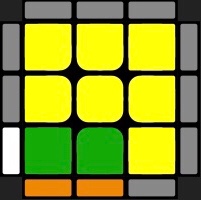
F2L Edge piece extraction

(Note) Edge means edge piece, and Corner means corner piece.
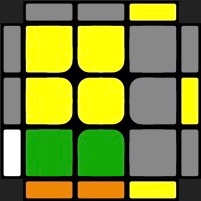
1. AUF before pairing up
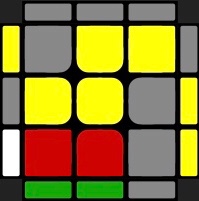
1) Cross-color face of Corner and Edge are in line -> No AUF is needed.

2) Not in the above case 1), and Edge color and Corner color are same -> move Corner so that its Cross-color face looks at the right or left side.
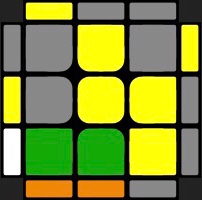
3) Not in the above case 1), and Edge color and Corner color are different -> move Corner so that its Cross-color face looks at the front or back side.
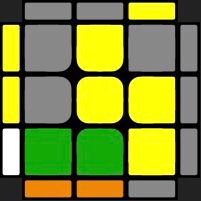
4) In case Corner color is Cross color and Edge is not flipped -> move Corner in front or back of the slot where Edge is.

5) In case Corner color is Cross color and Edge is flipped -> move Corner above the slot where edge is.

2. Algorithm for pairing up

For above case 1):

A. Edge and Corner colors are same, and they are in a column-> R U’ R’ / R’ U R (L’ U L / L U’ L’)

B. Edge and Corner colors are same, and they are in a row -> F’ U’ F / f’ L’ f (F U F’ / f R f’)

C. Edge and Corner colors are different, and they are in a column-> R U R’ / R’ U’ R (L’ U’ L / L U L’)

D. Edge and Corner colors are different, and they are in a row -> F’ U F / f’ L f (F U’ F’ / f R’ f’)

For above case 2):

A. Edge and Corner are in a column -> R U’ R’ / R’ U R (L’ U L / L U’ L’) (same as case 1-A)

B. Edge and Corner are in a row -> F’ U2′ F / f’ L2′ f (F U2 F’ / f R2 f’)

C. Edge and Corner are in a diagonal -> F’ U’ F / f’ L’ f (F U F’ / f R f’) (same as case 1-B)

For above case 3):

A. Edge and Corner are in a column -> R U2′ R’ / R’ U2 R (L’ U2 L / L U2′ L’)

B. Edge and Corner are in a row -> F’ U F / f’ L f (F U’ F’ / f R’ f’) (same as case 1-D)

C. Edge and Corner are in a diagonal -> R U R’ / R’ U’ R (L’ U’ L / L U L’) (same as case 1-C)

For above case 4):

R’ F R F’ (Sledgehammer) / R B’ R’ B (Back Sledgehammer) (L F L’ F’ / L’ B L B’)

For above case 5):

R U’ R’ / R’ U R (L’ U L / L U’ L’) (same as case 1-A)

That’s all! As you can see, there are many cases, but some of them use the same algorithms, so actually it is not so complicated to memorize them.

Without the above case 4), all algorithms are of 3 moves.

F2L Piece extraction steps

In most of the cases during F2L, there is a moment you need to extract edge and/or corner piece(s) from a slot for pairing.

I always want to move piece(s) to the U-face and pair them at the same time in case of extract edge or corner piece extraction, to skip the pairing process.

I found many different ways in each situation to meet with it, so I chose most suitable ones for me and using them.

I will show you by my separate columns what I have chosen, dividing them by the following 3 categories.

1. Edge piece extraction (corner piece is in top layer)

2. Corner piece extraction (edge piece is in top layer)

3. Edge & Corner pieces extraction

It is necessary to compare the face color of edge piece with that of corner piece, to decide which algorithm should be adopted. So, which face should be used?

For edge piece, I decided to use F-face and B-face when it is in front and back slots respectively, and U-face when it is in the top layer.

For corner piece, I decided to use side face (R or L-face) when it is in any slot if its color is not Cross color. If it is so, then use F-face and B-dace. And U-face when it is in the top layer.

AUF method after PLL

It is important to minimize the time for AUF. You should know if a quarter/half turn is necessary or not before ending PLL process, and carry out AUF without examining the color of the faces of cube. It can be said that AUF is a part of PLL process.

I think there are 2 moments when to know a quarter/half turn is necessary or not. One is to gather the necessary information before starting PLL, and the another is to do it during turning PLL (just before the end).

I chose the first one. Luckily to say, the color of the key element for PLL decision (bar, headlight, V mark) will be the color of the face of that position after PLL. So, just enough to exercise the following points.

1) Memorize which PLLs correspond to the above mentioned case.

2) Memorize which face the color of the key element will be, in regard to the 9 PLLs which are not the above item 1).

3) Before PLL process, memorize the color of the key element and calculate while executing PLL which amount of turn is necessary, a quarter (U/U’), half (U2) or nothing, comparing it with the center color of the face of the destination of the key element.

4) After finishing PLL, carry out AUF without pause, based on the result of 3).

That’s all!

The following list shows the 9 PLLs of above item 2).

  • Ua perm (second algorithm): a bar color of F-face will be B-face.
  • F perm (second): a bar color of F-face will be L-face.
  • Ja perm (second): a bar color of F-face will be L-face.
  • Jb perm (first): a bar color of L-face will be B-face.
  • Jb perm (second): a bar color of F-face will be R-face.
  • Ra perm: a headlight color of L-face will be B-face.
  • Rb perm: a headlight color of L-face will be F-face.
  • Z perm: a headlight color of F-face will be B-face.
  • Nb perm: a block color of F-face will be R-face.

There is another way how to decide AUF. You can memorize the piece whose color will be the color of the face of that position. In this way it is not necessary to memorize where the “destination” is.

For example, in case of Ja perm (first algorithm), the color of the block (FU edge & FUR corner) of F-face will be fixed there. So, you can calculate the necessary amount of turn for AUF, comparing it with the center color of F-face.

The problem of this method is that it is necessary to memorize the corresponding piece position for all PLLs and to look at that piece in addition to the key element if both are not in the same position. You may need time to move your eyes, even it is small.

PLL N perm

1. Na perm:

(R F U’) (R’ U R U) (F’ R2′ F’ R U R U’ R’ F) (any position is ok)

Finger tricks: F/F’ (marked in red) by right ring finger. U/F’ (marked in blue) by left index finger.

This algorithm is 17-move length without requiring regrip. Although it has 4 F/F’ moves, it is not hard to turn them with index and ring fingers. Its last 10 moves can be made very smoothly.

The following 18-move algorithm is also good. Regrettably it has F’ U’ F combination which is not so easy as the previous one.

(R U R’ U’) (R’ U’ R U) (F’ U’ F U’) (R’ U2 F R F’)

The following 23-move algorithm is an almost 2-gen, and its F/F’ turns are pretty easy. I think many people is using it.

(R U R’ U) (R U R’ F’) (R U R’ U’) (R’ F R2 U’ R’) (U2 R U’ R’)

2. Nb perm:

(R’ U L’) U2 (R U’ R’) (L U L’) U2 (R U’ L) (any position is ok)

R’ U L’ combination is a little awkward. I begin with my thumb on U-face and turn R’ & U, then use left ring finger to move L’, keeping the basic position. This makes the trailing moves easy.

PLL Y perm

F (R U’ R’ U’) (/ R U R’) F’ (R U R’ U’) (/ R’ F R F’) (V mark on front right position)

Finger tricks: Although it is not necessary to regrip from beginning to end, I prefer regripping 2 times (marked by “/“ sign) during turning the preceding U’. This is because I use Michael Trigger for F’ (marked in red) instead of normal right thumb.

I have once changed my method to the following algorithm. But d (by left middle finger) and B2′ (by ring & pinky fingers) moves take time and are risky, so I returned it to the original one.

(R2′ U’ R2 U’ R2′) d (R U R’) B2′ (R U’ R’)

PLL V perm

(R’ U R U’ R’) (f’ U’) (R U2 R’ U’ R U’ R’) (f R) (V mark on front left position)

Finger tricks: It is better to begin with thumb on U-face. f’ U’ (marked in red) by right thumb, pushing U-face to back if you turn f’ by left index finger. This is recommended because U’ R connection is very smooth. If you turn f’ by right thumb, pushing up D-face, normal left index finger’s U’ turn is applied.

I chose this algorithm because it has Anti Sune procedure, which is a quick and easy turn. The first part (R’ U R U’ R’) is very rhythmical.

The following one is shorter, but its d’ turn after R’ is little challenging, and regrip is necessary after d’. To make matters worse, d’ rotates the cube face position clockwise, so you should take it into account for AUF after PLL.

(R’ U R’) d’ (R’ F’ R2 U’) (R’ U R’) (F R F)

PLL A perm

1. Aa perm:

(x L2) D2′ (L’ U’ L) D2′ (L’ U L’ x’) (a headlight on L-face)

(x R’ U R’) D2 (R U’ R’) D2 (R2 x’) (V mark on front left position)

2. Ab perm:

(x’ L2′) D2′ (L U L’) D2′ (L U’ L x) (a headlight on L-face)

(x R2′) D2 (R U R’) D2 (R U’ R x’) (V mark on front left position)

The idea to use 2 algorithms each is to minimize time for AUF before PLL process. You will find a headlight by 75% chance and complete V mark 50% after OLL. And in half of the cases, you don’t need AUF before PLL process.

There is much similarity in algorithm one and another, so if you want to avoid AUF completely, just memorize the following 2 more each.

Aa perm (additional):

(x’ L’ U L’) D2′ (L U’ L’) D2′ (L2 x) (a headlight on F-face)

(x’ R2) D2 (R’ U’ R) D2 (R’ U R’ x) (a headlight on R-face)

Ab perm (additional):

(x’ R U’ R) D2 (R’ U R) D2 (R2′ x) (a headlight on F-face)

(x L U’ L) D2′ (L’ U L) D2′ (L2′ x’) (V mark on front right position)

It is necessary to regrip and rotate the cube at the beginning for all the cases. The following tips may help you.

1) which hand to regrip? -> the hand of the side of V mark.

2) which side to rotate first, x or x’? -> if V mark is front side, then x, and if not, then x’.

PLL Z perm

(R’ U’ R U’) (R U R U’) (R’ U R U) (R2 U’ R’) (two faces of the same color combination on F & L-faces)

I was using the typical algorithm M’ U M2′ U M2′ U M’ U2 M2′, but by the same reason I wrote in my previous blog (PLL H perm), I changed it to the above 2-gen algorithm.

Finger tricks: last U (marked in red) by right or left index finger, pushing or pulling U-face respectively.

PLL H perm

S (R U2′) (R2′ U2′) (R2 U2′ R) S’ (a headlight at any angle)

Finger tricks: over turn the last R (marked in red) by right index finger. S’ by left index finger, holding F-slice by right thumb and index fingers.

I was using the typical algorithm M2′ U’ M2′ U2′ M2′ U’ M2′. But I sometimes made mistakes in turning M2′ with my left ring and pinky fingers (double trigger). So, I changed it.

Even the current method has 2 moves more, I found it more reliable and adequate for me.

PLL T perm

(R U R’ U’) (R’ F R2 U’ R’ U’) (R U R’ F’) (a headlight on L-face)

I think It better not to regrip at any part of the moves to avoid loosing time, especially at the beginning.

If you start with regrip (thumb on D-face), it will be necessary to regrip before R’ F R2 process.

It is not so harm to regrip just before the last Trigger (R U R’) during turning preceding U’. You can measure time with or without its regrip and choose the better one.

PLL G perm

1. Ga perm:

R2 U (R’ U R’) U’ (R U’ R2) D U’ (R’ U R) D’ (a headlight on L-face)

Finger tricks: U (marked in blue) by left index finger. D U’ by left index and ring fingers at the same time. R2 (marked in green) are over turned by right index finger.

2. Gb perm:

(R’ U’ R) U D’ (R2 U) (R’ U R) (U’ R U’) R2 D (a headlight on L-face)

Finger tricks: U (marked in blue) by left index finger. U D’ by right index and ring fingers at the same time. R2/R (marked in green) are over turned by right index finger.

3. Gc perm:

R2′ U’ (R U’ R U) (R’ U R2) D’ U (R U’ R’) D (a headlight on L-face)

Finger tricks: U (marked in blue) by left index finger. D’ U by right index and ring fingers at the same time. R2 (marked in green) are over turned by right index finger.

4. Gd perm:

(R U R’) U’ D (R2 U’) (R U’ R’ U) (R’ U R2) D’ (a headlight on L-face)

Finger tricks: U (marked in blue) by right ring finger. U’ D by left index and ring fingers at the same time. R2/R (marked in green) are over turned by right index finger.

At the begging, I was using the following algorithms which are shorter. But they use a little awkward u/u’ turns and/or a cube rotation. So, I decided to change it.

R2 u R’ U R’ U’ R u’ R2 F’ U F

R’ U’ R y R2 u R’ U R U’ R u’ R2′

R2′ u’ R U’ R U R’ u R2 y R U’ R’

R U R’ y’ R2 u’ R U’ R’ U R’ u R2

PLL J perm

1. Ja perm:

x (R2 F R F’) (R U2) (r’ U r U2) x’ (a bar on L-face)

(R’ U L’) U2 (R U’ R’) U2 (R L) (a bar on F-face)

Finger tricks: R’ U L’ begging with regrip (thumb on U-face), and L’ by left “ring” finger maintaining the basic position, which makes the next moves stable and fast.

2. Jb perm:

(R U R’ / F’) (R U R’ U’) (/ R’ F R2 U’ R’) (a bar on L-face)

Finger tricks: It is possible to complete this algorithm without any regrip, but I prefer inserting regrips at 2 positions indicated by “/“ mark. I use R U R’ F’ (marked in blue) by Trigger (R U R’) + Michael Trigger (F’), sliding my thumb to D-face during the Trigger (smooth regrip), so that Michael Trigger is easily turned. The second regrip should be done during the preceding U’.

(L U’ R) U2′ (L’ U L) U2′ (L’ R’) (a bar on F-face)

Finger tricks: L U’ R (same as above explanation)

All these 4 algorithms are short and easy.

PLL F perm

(R’ U’ F’) (R U R’ U’) (R’ F R2 U’ R’ U’) (R U R’ U R) (a bar on L-face)

(R’ U R U’ R2) (F’ U’ F U R) (F R’ F’ R2) (a bar on F-face)

Finger tricks: U (marked in red) by right ring or left index finger.

I was using the second one because of its less turning number. But because it is necessary to begin with regrip and my (F’ U’ F U R) move takes time, I started to use also the first one.

PLL U perm

1. Ua perm:

(R2′ U’) (F B’ R2) (F’ B U’ R2′) (a bar on L-face)

(R U R’ U) (R’ U’ R2 U’) (R’ U R’ U R) (a bar on F-face)

Finger tricks: F B’ and F’ B by using right index and ring fingers at the same time, pinching S-slice with right thumb and middle finger.

2. Ub perm:

(R2′ U’) (S R2 S’) (R2′ U R2) (a bar on L-face)

(R’ U R’ U’) (R3 U’) (R’ U R U R2) (a bar on F-face)

Finger tricks: S by right middle finger. S’ by right middle or left index finger. U by right ring finger.

Way to distinguish Ua from Ub: the right side face adjacent to the “bar” face has adjacent color combination -> Ua. It has opposite color combination -> Ub.

When I started learning Rubik’s cube, I was using algorithms R U’ R U R U R U’ R’ U’ R2 for Ua and R2′ U R U R’ U’ R3 U’ R’ U R’ for Ub in which a “bar” face is set to back side.

But since a bar is a key element for recognition, I prefer positioning it where I can see. And also the algorithms previously mentioned are pretty good and easy, so I substituted them.

OLL26 & 27 (OCLL)

https://www.rbjlabs.com/rubiks-cube/rubiks-cube-oll-cases/

Anti-Sune (R U2′ R’ U’ R U’ R’) (OLL26, 2×2 block at right back corner)

Back Anti-Sune (R’ U2′ R U R’ U R) (OLL27, 2×2 block at right front corner)

Sune (R U R’ U R U2′ R’) (OLL27, 2×2 block at left front corner)

Back Sune (R’ U’ R U’ R’ U2′ R) (OLL26, 2×2 block at left back corner)

I have changed a couple of times the way to distinguish and turn these 2 OLLs.

At first, I was using the mirror method with right and left hands, depending on either OLL26 or OLL27, without any AUF.

Later, I used the edge piece adjacent to the 2×2 block as a key for recognition, because it is necessary to turn firstly the slice in which that piece is included. Also without AUF beforehand.

With above mentioned methods, I had to choose the right algorithm out of 8 ones (4 algorithms by each OLL).

Later and currently I am using another method. I am using right hand only, which means turning R or U-slice, not L-slice. And only 4 algorithms shown above. But AUF may be necessary.

Here is the process.

1) There is a colored corner piece at the left side on F-face -> Move 2×2 block to the near back corner if not so. And apply Anti-Sune or Back Sune, depending on the 2×2 block position, as shown above.

2) There is a colored corner piece at the right side on F-face -> Move 2×2 block to the near front corner if not so. And apply Back Anti-Sune or Sune shown above, depending on the 2×2 block position, as shown above.

3) There is not a colored corner piece on F-face -> If the 2×2 block is at right front corner, apply Back Anti-Sune. If the 2×2 block is at left front corner, apply U + Back Sune.

I memorized above 1) & 2), repeating in my mind “left -> back, right -> front”.

Way to distinguish OLL29, OLL30, OLL41, and OLL42

There is a headlight & Lightning is striking down to the right side -> OLL42

There is a headlight & Lightning is striking down to the left side -> OLL41

There is not a headlight & Lightning is striking down to the right side -> OLL29

There is not a headlight & Lightning is striking down to the left side -> OLL30

OLL30 (Thunderstorm shape)

https://www.rbjlabs.com/rubiks-cube/rubiks-cube-oll-cases/

f (R U R2) U’ (R’ U R2 U’ R’) f’ (vertical thunderstorm shape & a discontinuous colored corner is on the back side)

F U (R U2′ R’ U’) (R U2′ R’ U’) F’ (vertical thunderstorm shape & a discontinuous colored corner is on the front side)

I was using the symmetrical procedure for the first one of OLL29 (M U’ L’ U’ L U L F’ L’ F M’), and the different algorithm for the second one (F R’ F R2 U’ R’ U’ R U R’ F2).

I checked some web site and found those which seemed to me better for my fingers, and changed them.

The second one has one turn more than the previous one, but I liked the repetitive moves (R U2′ R’ U’).

OLL29 (Thunderstorm shape)

https://www.rbjlabs.com/rubiks-cube/rubiks-cube-oll-cases/

M U (R U R’ U’ R’ F R F’) M’ (vertical thunderstorm shape & a discontinuous colored corner is on the back side)

(R’ F R F’) (R U2′ R’ U’) (F’ U’ F) (vertical thunderstorm shape & a discontinuous colored corner is on the front side)

The first one begins and ends with the same turns as of OLL42 (M U…M’). And it contains algorithm of OLL32 (T shape).

For the second one, I was using R2′ U’ R F R’ U R2 U’ R’ F’ R, but the above mentioned one is easier, so I changed it.

OLL41 (Thunderstorm shape)

https://www.rbjlabs.com/rubiks-cube/rubiks-cube-oll-cases/

M U’ (F’ L’ U’ L U F) M’ (vertical thunderstorm shape & a discontinuous colored corner is on the back side)

F U R2 D (R’ U’ R) D’ R2′ F’ (vertical thunderstorm shape & a discontinuous colored corner is on the front side)

The first one is the symmetrical procedure of OLL42.

For the second, I could have adopted M’ U’ f’ U’ L’ U L f M in the same way, but decided to use the different one which was easier for me.

Finger tricks for the second: F by thumb.

OLL42 (Thunderstorm shape)

https://www.rbjlabs.com/rubiks-cube/rubiks-cube-oll-cases/

M U (F R U R’ U’ F’) M’ (vertical thunderstorm shape & a discontinuous colored corner is on the back side)

M’ U (f U R U’ R’ f’) M (vertical thunderstorm shape & a discontinuous colored corner is on the front side)

I call this U-face figure Thunderstorm shape, because it resembles Lightning shape, but with an additional colored corner.

Both algorithms contain those of OLL45 (T shape).

OLL12 (Lightning shape)

https://www.rbjlabs.com/rubiks-cube/rubiks-cube-oll-cases/

M’ U (R’ U’ R U’ R’ U2′ R) U M (vertical lightning shape & a block on R-face)

M U’ (R’ U’ R U’ R’ U2′ R) U’ M’ (vertical lightning shape & a block on L-face)

These algorithms are similar to the OLL11. They use Back Sune instead of Sune.

It is easy to avoid confusion which to use, M U’ or M’ U, Sune or Back Sune when you encounter OLL11 or OLL12. Just enough to memorize the following tip.

1) which direction to turn first, M U’ or M’ U? -> toward the colored edge of Lightning.

2) which Sune pattern? -> if Lightning is striking to the right side, use Sune, if at the contrary, use Back Sune.

OLL11 (Lightning shape)

https://www.rbjlabs.com/rubiks-cube/rubiks-cube-oll-cases/

M’ U (R U R’ U R U2′ R’) U M (vertical lightning shape & a block on L-face)

M U’ (R U R’ U R U2′ R’) U’ M’ (vertical lightning shape & a block on R-face)

I chose these algorithms because both have the same kind of finger tricks structure with Sune pattern.

I am not good at turning M by my ring finger, so I use mostly my left thumb, pushing down UF edge followed by slightly tilting L-slice backward.

OLL7 (Lightning shape)

https://www.rbjlabs.com/rubiks-cube/rubiks-cube-oll-cases/

(r U R’ U) (R U2′ r’) (vertical lightning shape & a block on R-face)

(l U L’ U) (L U2 l’) (vertical lightning shape & a block on L-face)

These are the reverse procedures of OLL6 (Square shape).

All 4 algorithms of OLL7 & OLL8 use Sune patterns, right & left hands, and back & forth start. Sometimes it is confusing which algorithm should be used.

The following tip is useful to avoid it.

1) which hand to turn first? -> hand on the side of a block.

2) which direction to turn first? -> toward the colored edge of Lightning.

OLL8 (Lightning shape)

https://www.rbjlabs.com/rubiks-cube/rubiks-cube-oll-cases/

(l’ U’ L U’) (L’ U2 l) (vertical lightning shape & a block on L-face)

(r’ U’ R U’) (R’ U2′ r) (vertical lightning shape & a block on R-face)

These are the reverse procedures of OLL5 (Square shape). So, they are one of the Sune patterns, but with double row turns for the first and last moves.

With the same reason I wrote in my previous article “OLL6 (Square shape)”, I chose the algorithm to use left hand mainly.

Design a site like this with WordPress.com
Get started